UNESCO World Heritage Committee Drafts Recommendation on Sado Gold Mine
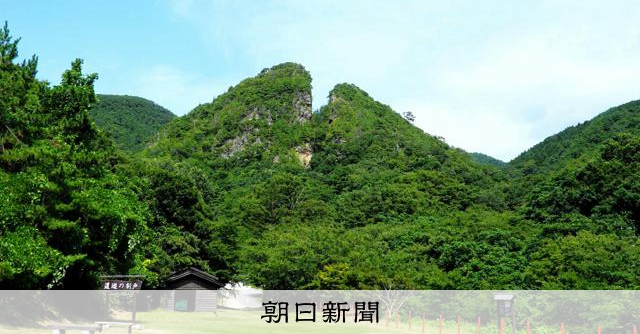
The UNESCO World Heritage Committee has drafted a recommendation concerning the Sado Gold Mine. The recommendation calls for improvements regarding the "overall history" of the site. This suggests that the committee believes the current presentation or understanding of the mine's history needs to be more comprehensive or accurately represented. The Sado Gold Mine, located in Japan, is a significant historical site with a complex past. The committee's recommendation indicates a need for further work to ensure its historical narrative meets international heritage standards. Further details on the specific aspects of the history that require improvement are expected to be elaborated upon in the full recommendation. This development highlights the ongoing international scrutiny of historical sites and their narratives. The committee's role is to advise on the inscription of sites onto the World Heritage List, ensuring they possess outstanding universal value. Therefore, the focus on the "overall history" implies a need for a more inclusive and detailed account of the mine's past. The Japanese government and relevant authorities will likely need to address these points to satisfy the committee's requirements.
The UNESCO World Heritage Committee's recommendation regarding the Sado Gold Mine signals a critical juncture in the site's inscription process. The emphasis on presenting the "overall history" suggests a potential disconnect between the site's current narrative and the comprehensive, universally recognized historical context required for World Heritage status. This could reflect challenges in acknowledging or adequately representing all facets of the mine's past, including potentially sensitive or contested periods. Moving forward, stakeholders will need to navigate the complex interplay between national historical interpretations and international heritage standards, ensuring a balanced and transparent approach. The committee's guidance serves as an incentive for a more inclusive historical discourse, prompting a deeper examination of how such sites contribute to a global understanding of human history and labor.
AI-generated to prompt reflection — not editorial opinion, not advice, not a statement of fact. How this works.