UNESCO World Heritage Status for Sebastia Sparks Palestinian Hopes, Israeli Condemnation
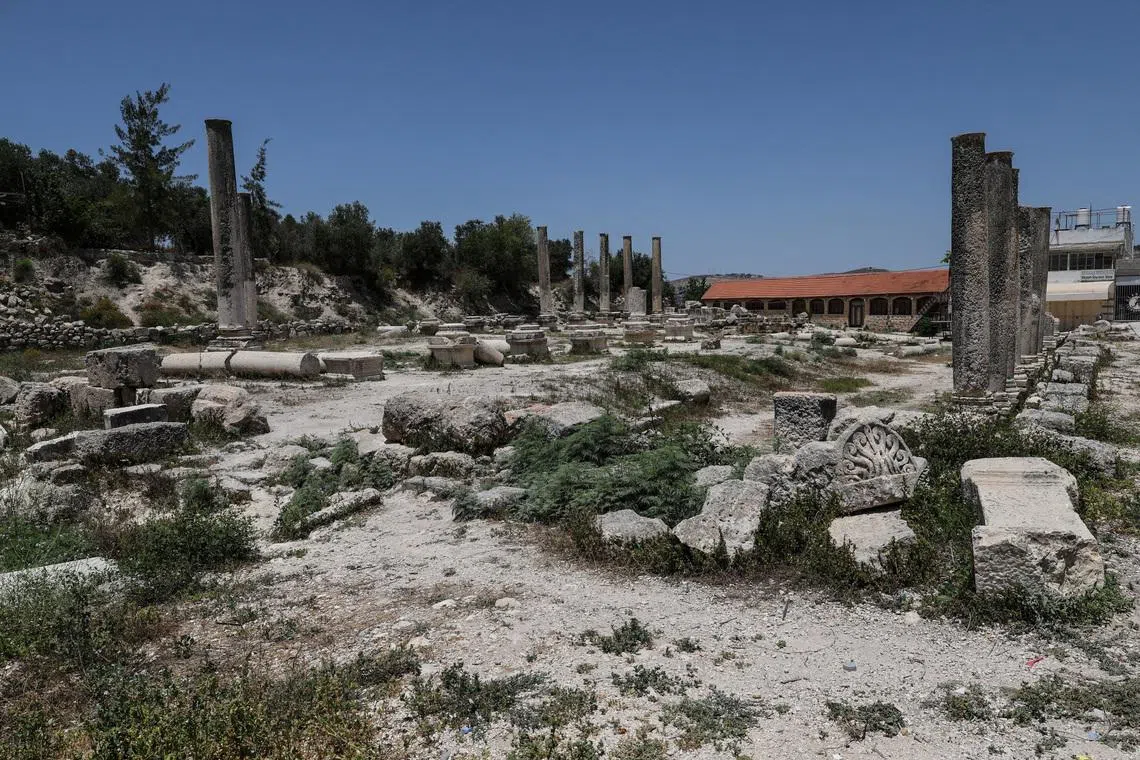
Palestinian officials have expressed optimism following UNESCO's decision to designate Sebastia, an ancient village in the occupied West Bank, as a World Heritage site. They hope this international recognition will serve as a deterrent against further Israeli expansion and control over the historic location. The designation is seen by Palestinians as a crucial step in preserving their cultural heritage and asserting their presence in the region.
Conversely, Israeli authorities have criticized the UNESCO decision, labeling it as politically motivated. This disagreement highlights the ongoing tensions surrounding cultural heritage sites in the West Bank and their administration. The Palestinian Authority welcomed the UNESCO move, viewing it as a validation of Sebastia's historical and cultural significance. The international designation is expected to bring increased attention and scrutiny to the site and its surrounding area.
The UNESCO designation of Sebastia as a World Heritage site introduces an international layer of oversight and potential leverage for Palestinian authorities seeking to preserve cultural heritage. This move could complicate Israeli development or security-related activities in the vicinity by invoking global heritage protection norms. The differing reactions underscore the politicization of heritage sites in contested territories, where international recognition can become a focal point for asserting claims and counter-claims. Future implications may involve increased diplomatic engagement and potential legal challenges related to site management and preservation, impacting the long-term governance of such areas.
AI-generated to prompt reflection — not editorial opinion, not advice, not a statement of fact. How this works.