Unesp Bauru students end two-month strike, classes to resume late July
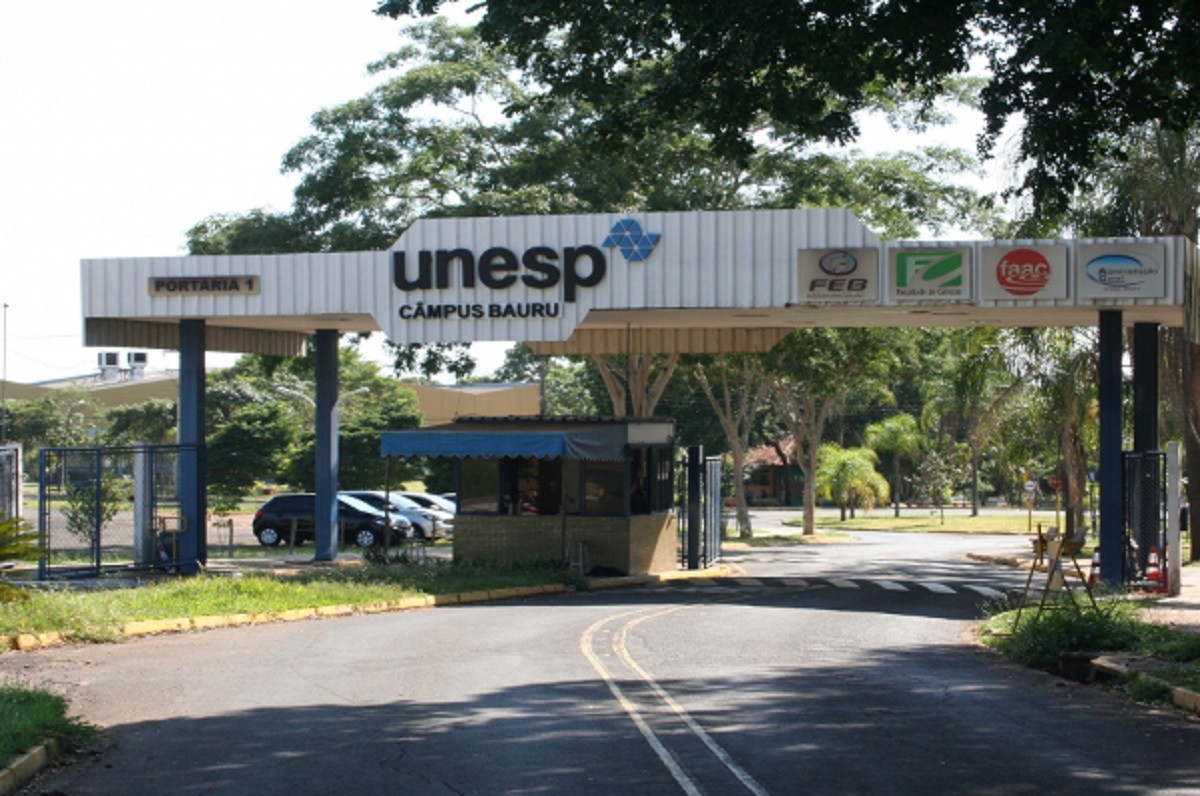
The student strike at São Paulo State University (Unesp) in Bauru, Brazil, has concluded after approximately two and a half months. The decision to end the protest was made during a student assembly on Tuesday, July 8th. With the strike over, classes are expected to resume between July 27th and August 3rd. The Unesp Bauru Student Council announced the formation of a monitoring committee to ensure that the demands made during the strike are met. Key demands included expanding student housing facilities and improving the quality of food provided to students. Earlier, in late June, professors and technical-administrative staff at Unesp Bauru also ended their six-week strike. According to the Unesp Teachers' Association (Adunesp), their efforts resulted in an increased salary adjustment proposal, rising from 2% to 3.92%, and the resumption of dialogue with the university's rectorate. However, Adunesp considers this increase insufficient given accumulated salary losses and inflation. These Bauru-based strikes mirrored broader mobilizations occurring at other institutions, including USP and Unicamp, across the state of São Paulo.
The resolution of the prolonged student and staff strikes at Unesp Bauru signifies a complex negotiation outcome, balancing immediate academic resumption with long-term institutional adjustments. While specific demands like housing and food improvements address student welfare, the salary increase for staff, though a step forward, highlights persistent concerns about compensation relative to inflation. The broader context of similar strikes across São Paulo's state universities suggests systemic issues within the public higher education funding and governance models. Moving forward, the effectiveness of the monitoring committee will be crucial in ensuring accountability. Future challenges may involve managing resource allocation to meet evolving student and staff expectations within fiscal constraints, particularly as AI integration demands new skill sets and infrastructure investments across the university system.
AI-generated to prompt reflection — not editorial opinion, not advice, not a statement of fact. How this works.