Unexpected July Rains Surprise Tocantins Residents Amidst Dry Season
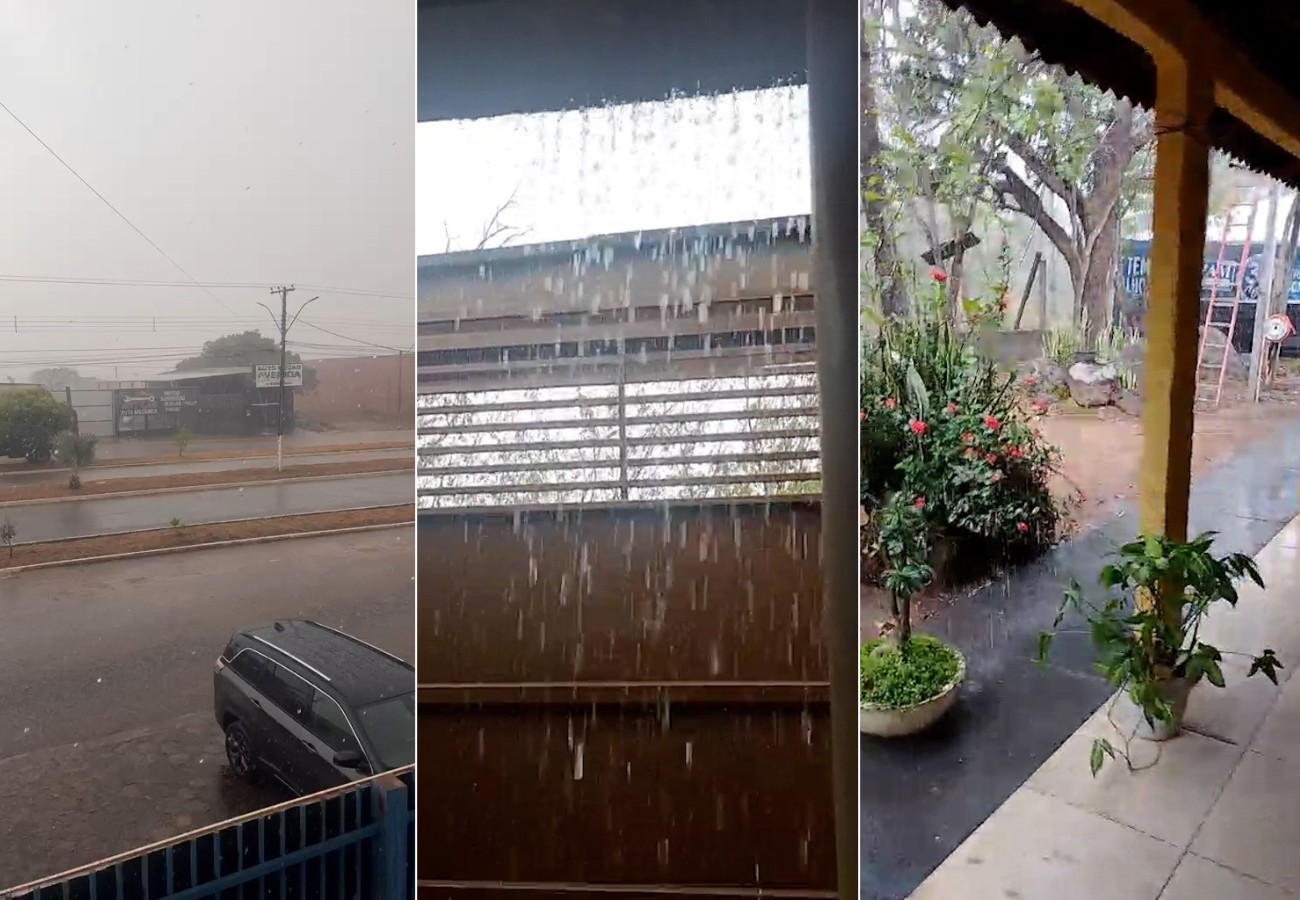
Residents of Tocantins, Brazil, were surprised by rainfall across several municipalities on Wednesday, July 15th, during the typical dry season. The unexpected showers began around noon, with the Bico do Papagaio region receiving a yellow alert for intense rain from the National Institute of Meteorology (Inmet) until 11:59 PM that day. Cities including Palmas, Paraíso do Tocantins, Santa Rosa do Tocantins, and Monte Santo do Tocantins registered the precipitation. According to Inmet meteorologist Danilo Siden, this weather pattern is unusual, attributing the localized, strong downpours to the coupling of mid-level moisture channels with high temperatures. Despite these rains, Inmet issued a yellow alert for low humidity in southeastern Tocantins for Thursday, July 16th. Looking ahead, Palmas anticipates highs of 37°C with moderate winds and variable cloud cover, while Araguaína in northern Tocantins expects isolated showers on Thursday with maximum temperatures between 32-34°C. Gurupi faces cooler temperatures, with lows of 17°C on Friday, July 17th, and 16°C on Saturday, July 18th, alongside clear skies and abundant clouds. Earlier, on Monday, July 13th, a strong storm with high winds hit Araguacema's Praia da Gaivota, causing damage to camp tents and artisan stalls, prompting the local fire department to advise beachgoers to seek shelter.
The occurrence of significant rainfall during Tocantins' dry season, coupled with subsequent humidity alerts, highlights the increasing unpredictability of regional weather patterns. This phenomenon may be influenced by broader climatic shifts, where atmospheric moisture dynamics interact with elevated temperatures in novel ways. Such events challenge traditional agricultural and water management strategies, necessitating adaptive planning. The contrasting forecasts for different sub-regions within Tocantins underscore the localized nature of these weather events and the importance of granular meteorological data for preparedness. Future climate projections suggest a continued need for resilient infrastructure and flexible resource allocation to mitigate the impacts of extreme weather variability.
AI-generated to prompt reflection — not editorial opinion, not advice, not a statement of fact. How this works.