Unexploded Bomb Forces Evacuation of 4,300 Residents and Children's Hospital
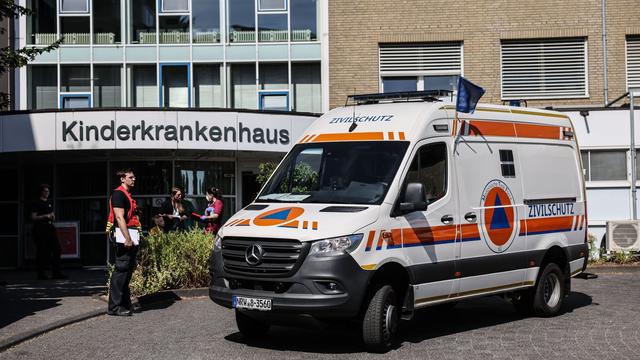
An unexploded World War II bomb has been discovered in Germany, necessitating the evacuation of approximately 4,300 residents. The discovery has also impacted a children's hospital, which is part of the affected area. The bomb requires careful defusal by experts. Authorities have implemented a safety perimeter around the site to ensure the well-being of the public during the operation. The evacuation process is underway, with residents being relocated to safe areas. The precise location of the bomb and the extent of the evacuation zone are being managed by local emergency services. The defusal operation is expected to take several hours, after which residents will be allowed to return to their homes. The incident highlights the ongoing challenges posed by historical ordnance found in urban areas.
The discovery of unexploded ordnance from past conflicts continues to present significant logistical and safety challenges for urban populations. This event underscores the persistent need for robust emergency preparedness and response protocols. As cities densify and construction projects uncover more historical artifacts, the financial and social costs associated with bomb disposal are likely to increase. Future urban planning may need to incorporate more proactive measures for identifying and mitigating risks associated with buried ordnance, potentially through advanced subsurface scanning technologies during initial development phases. This incident serves as a reminder of the long-term consequences of historical events and the ongoing responsibilities of current governance to manage their legacy.
AI-generated to prompt reflection — not editorial opinion, not advice, not a statement of fact. How this works.