Unfinished Roadwork Creates Dust Hazard, Angering Teresina Residents
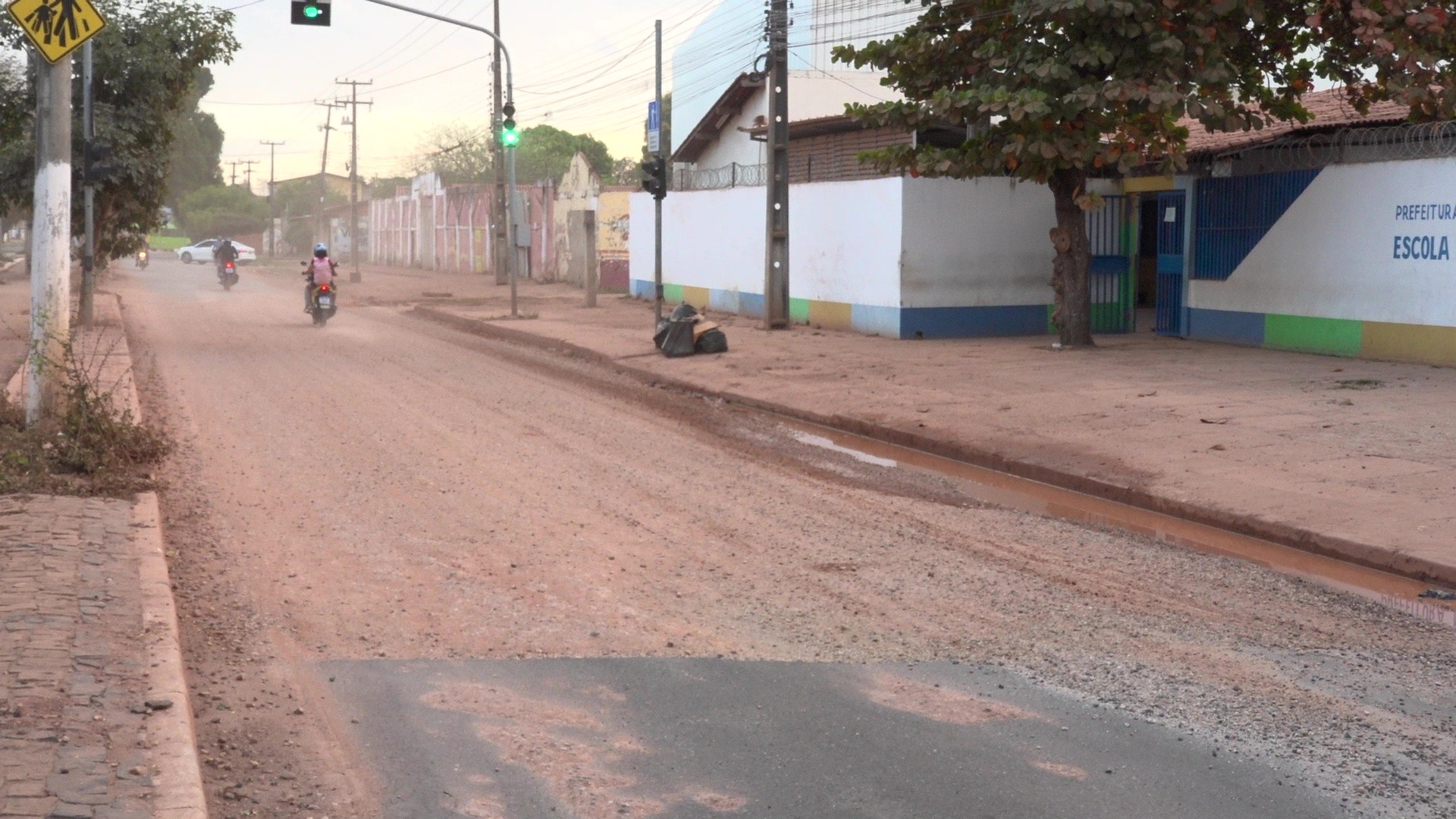
Residents and drivers in Teresina, Brazil, are experiencing significant disruptions due to a stalled construction project on Avenida Henry Wall de Carvalho. Images broadcast on Monday, May 27th, revealed a section of the avenue near Escola Municipal Areias blanketed in dust following asphalt scraping. This ongoing issue, which has prompted the local news outlet g1 to seek comment from the Superintendency of Urban Development (SDU) South, is impacting both local inhabitants and commuters. The accumulation of dust and sand severely reduces visibility for vehicles, escalating the risk of accidents. Public transport users are also affected, with bus stops near the school being enveloped in dust, forcing passengers to wait further down the road to avoid exposure. The situation has raised concerns among the community regarding safety and the prolonged inconvenience caused by the halted construction.
The paralysis of infrastructure projects, as seen in Teresina, highlights systemic challenges in urban development governance. Inadequate oversight or funding mechanisms can lead to prolonged disruptions, creating public health and safety hazards. This situation underscores the need for robust project management frameworks that ensure timely completion and mitigate environmental impacts. Future urban planning must incorporate contingency measures for stalled projects, prioritizing resident well-being and minimizing economic and social externalities. The long-term implications involve not only immediate inconvenience but also potential erosion of public trust in municipal authorities' ability to deliver essential services.
AI-generated to prompt reflection — not editorial opinion, not advice, not a statement of fact. How this works.