União Brasil Party Declares Neutrality in 2026 Presidential Election
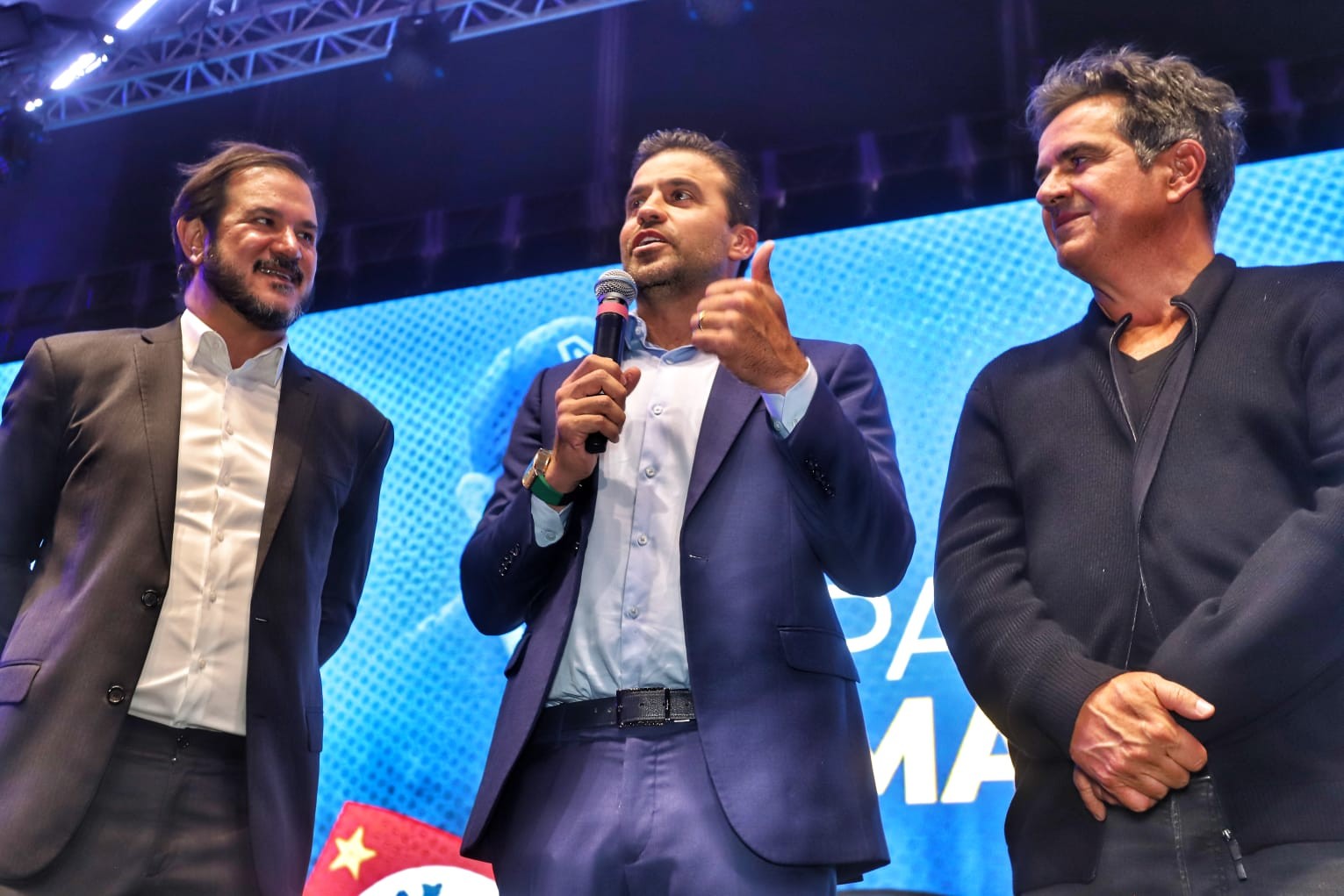
The União Brasil party has announced its neutrality in the upcoming 2026 presidential election. This decision was formalized during the party's national convention held on Tuesday, June 4th. Party president Antônio Rueda issued a statement on social media, granting party members the freedom to support any presidential candidate of their choice within their respective states. Rueda stated that this position reflects the party's political maturity. The convention, held in Brasília, incorporated both in-person and remote participation, with Rueda joining virtually. This move aligns with the stance of the Progressistas Party (PP), with which União Brasil has formed a federation. As a federated entity, they are expected to operate cohesively. The PP had previously announced its neutrality on May 31st, which effectively ended the possibility of Senator Tereza Cristina (PP-MS) becoming the running mate for Senator Flávio Bolsonaro (PL-RJ), the presidential candidate for the PL party. Additionally, the Republicanos party also declared neutrality in the presidential race on Tuesday. The PL party had been seeking the support of Republicanos to bolster Flávio Bolsonaro's candidacy. União Brasil currently has 52 active deputies and three senators, including Senate President Davi Alcolumbre (União-AP), a prominent figure in the party.
União Brasil's decision to adopt a neutral stance in the 2026 presidential election, mirroring its federated partner PP and the Republicanos party, highlights a strategic recalibration of political alliances. This neutrality allows the party to preserve its regional influence and avoid direct entanglement in potentially divisive national presidential contests. By deferring to state-level articulations, União Brasil can maximize its electoral opportunities across diverse local contexts, potentially strengthening its parliamentary bloc without committing to a single national ticket. This approach reflects a pragmatic assessment of the current political landscape, prioritizing flexibility and adaptability in an evolving electoral environment. The party's leadership appears to be navigating the complexities of coalition politics by maintaining an independent posture, which could position it for future influence regardless of the presidential outcome.
AI-generated to prompt reflection — not editorial opinion, not advice, not a statement of fact. How this works.
