Unicamp Awards First Black Woman Honorary Doctorate to Writer Conceição Evaristo
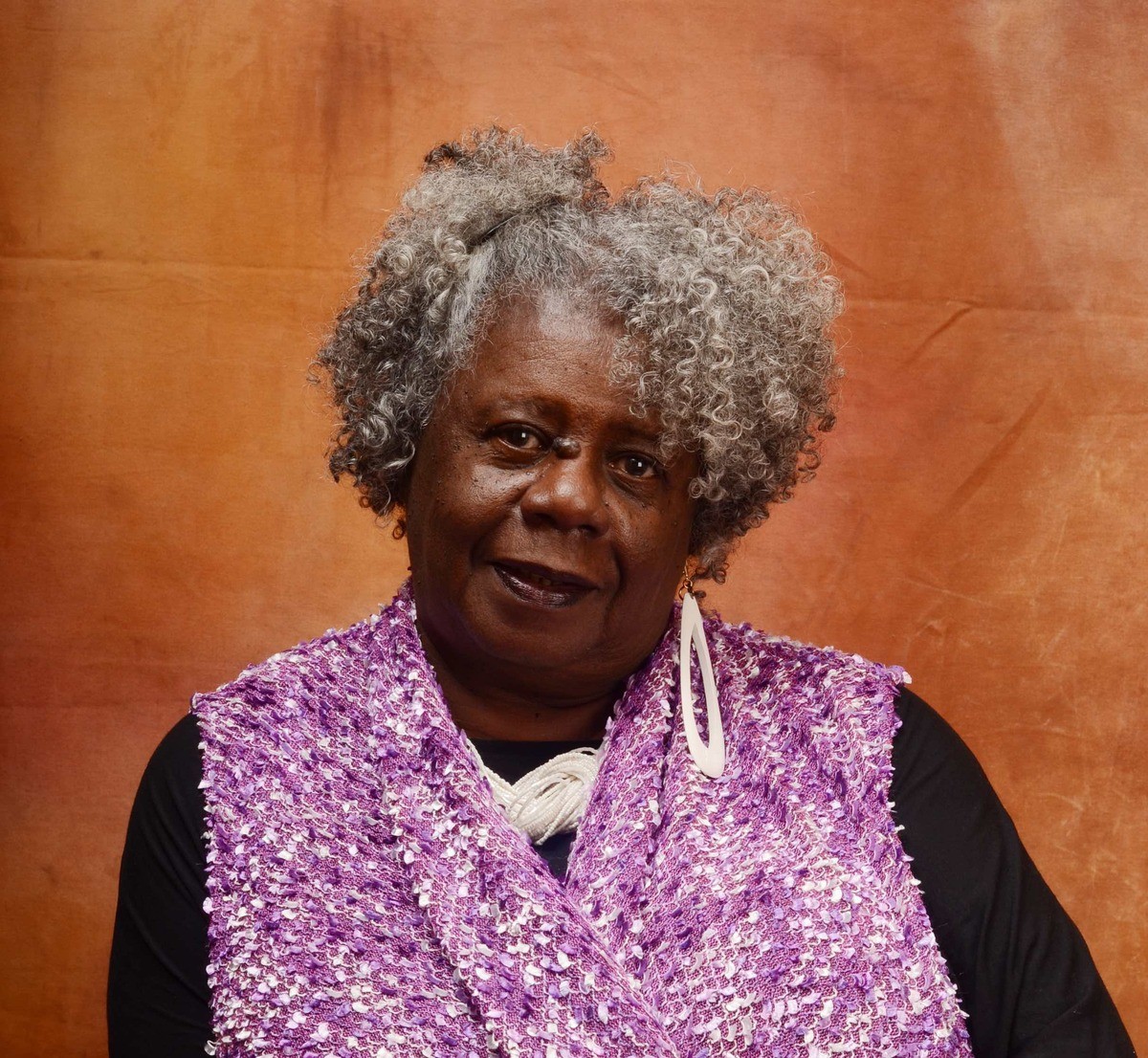
The State University of Campinas (Unicamp) has approved the awarding of an Honorary Doctorate (Doutora Honoris Causa) to acclaimed writer, poet, and professor Conceição Evaristo. This marks a historic moment as she becomes the first Black woman to receive this distinguished honor from the university. Evaristo, recognized as a leading voice in contemporary Brazilian literature, was nominated by the Institute of Language Studies (IEL). Her work has been lauded for significantly contributing to national literature and fostering crucial discussions on racial relations, identity, and representation. During the University Council session, representatives from various departments emphasized her importance in opening new avenues for representation in Brazilian literature, particularly for historically underrepresented readers. Her advocacy for Afro-Brazilian oral traditions and the right of Black individuals to tell their own stories was also highlighted. The honor is seen as a symbolic milestone, acknowledging a Black intellectual in a field where Black authors have historically faced marginalization and invisibility. Evaristo's influence extends internationally, with her poem "Da calma e do silêncio" inspiring the theme for the 36th São Paulo Biennial in 2025. The director of the Faculty of Education noted that the award celebrates Evaristo's career and the broader contributions of Black authors to discussions on memory, ancestry, and Brazilian identity. Additionally, the university will award an Honorary Doctorate to Uruguayan biochemist Rafael Radi, nominated by the Institute of Biology, for his substantial contributions to Latin American science, including over 360 scientific articles and his efforts in fostering regional research collaboration. The dates for both award ceremonies are yet to be announced.
Unicamp's decision to grant an Honorary Doctorate to Conceição Evaristo, the first Black woman to receive this honor, signifies a crucial institutional acknowledgment of diverse voices and historical underrepresentation within academia and literature. This move reflects a broader societal reckoning with systemic inequities and the growing imperative for institutions to recognize intellectual contributions that challenge established narratives. The parallel award to Uruguayan biochemist Rafael Radi highlights a commitment to celebrating scientific advancement across Latin America. Looking ahead, such recognitions can influence future institutional policies, encouraging a more inclusive framework for evaluating merit and impact, thereby fostering a more equitable landscape for scholars and artists from all backgrounds in the coming decades.
AI-generated to prompt reflection — not editorial opinion, not advice, not a statement of fact. How this works.
