Unicamp condemns violence after protest disrupts Fernando Haddad's lecture
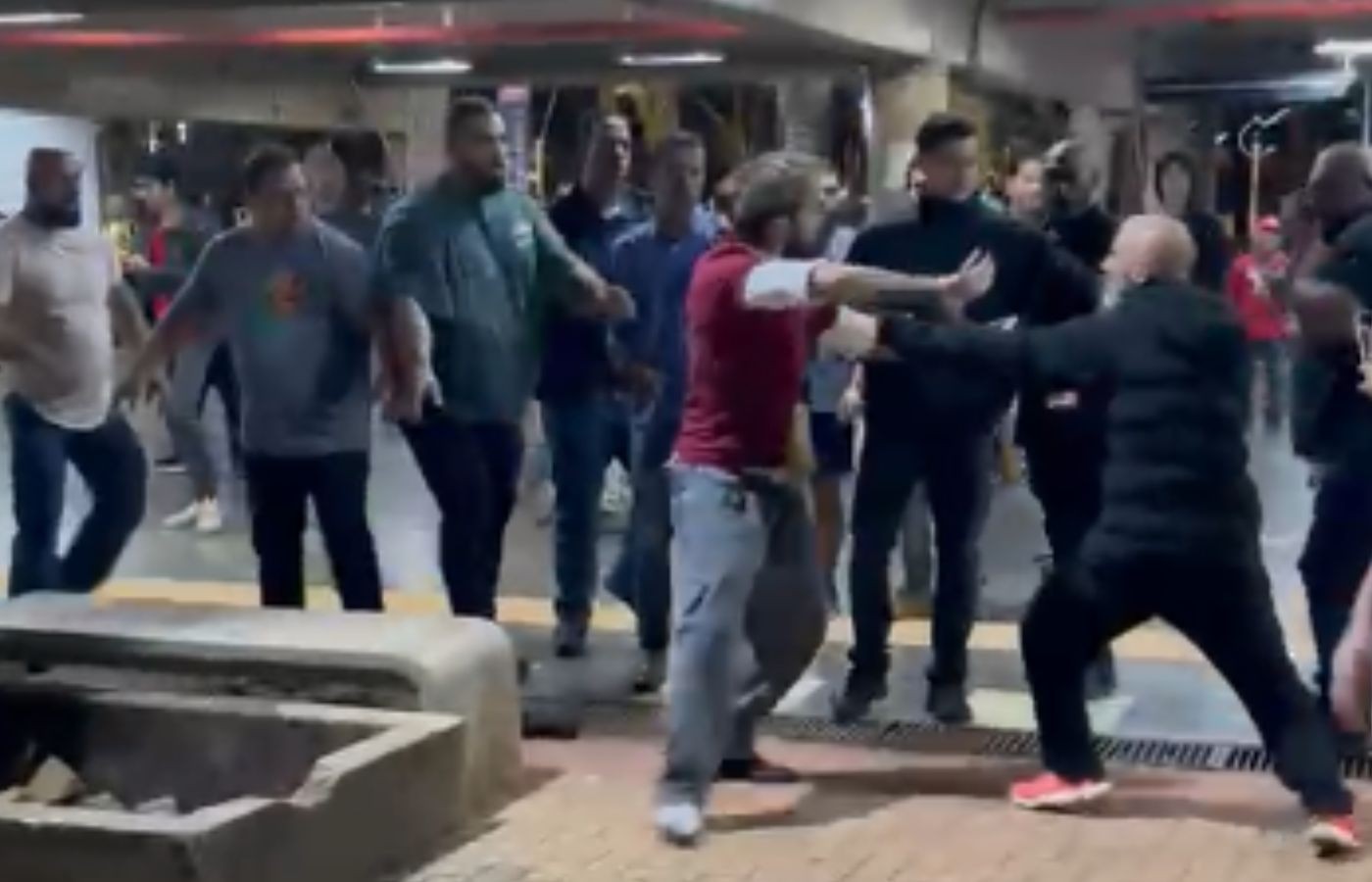
The University of Campinas (Unicamp) has issued a strong condemnation of the "acts of violence and disturbance" that occurred during a lecture by Fernando Haddad, a pre-candidate for governor of São Paulo, on the evening of Thursday, July 2nd. The academic event, held at the Teatro de Arena, was interrupted by a physical altercation between attendees and members of the Movimento Brasil Livre (MBL). Security personnel removed the protesters from the venue after some instances of punches being exchanged between the groups. Unicamp described the interruption as "unacceptable," emphasizing its commitment to the pluralism of ideas and denouncing the aggression. The university stated that political and ideological disagreements are welcome and should be expressed through mutual respect and academic debate, not violence or intimidation. Haddad, after the protesters were removed, completed his speech, expressing readiness for the electoral campaign and stating his intention to win. He departed the venue without speaking to the press, while some supporters chanted "Tarcísio out." An MBL member claimed the protest was against alleged early campaigning and that he was assaulted by event participants. The Military Police were called but did not intervene as organizers resolved the situation. Unicamp's Rectory is investigating the incident and will take appropriate measures.
The disruption of Fernando Haddad's lecture at Unicamp highlights the persistent challenge of political polarization in Brazil, where ideological differences can escalate into physical confrontations, undermining academic freedom and the principles of open debate. While the university's swift condemnation upholds its institutional values, the incident underscores the fragility of civil discourse in politically charged environments. Moving forward, institutions must balance the protection of free expression with the need to maintain order, potentially through enhanced security protocols or clearer guidelines for public demonstrations within academic spaces. The MBL's justification of early campaigning concerns, while a political stance, does not legitimize violent disruption. This event serves as a microcosm of broader societal tensions, suggesting that fostering environments conducive to respectful dialogue, even amidst strong disagreement, remains a critical imperative for democratic health, particularly as Brazil approaches significant electoral cycles.
AI-generated to prompt reflection — not editorial opinion, not advice, not a statement of fact. How this works.