Unicamp Hospital Restarts Cancer Radiotherapy After Equipment Repair
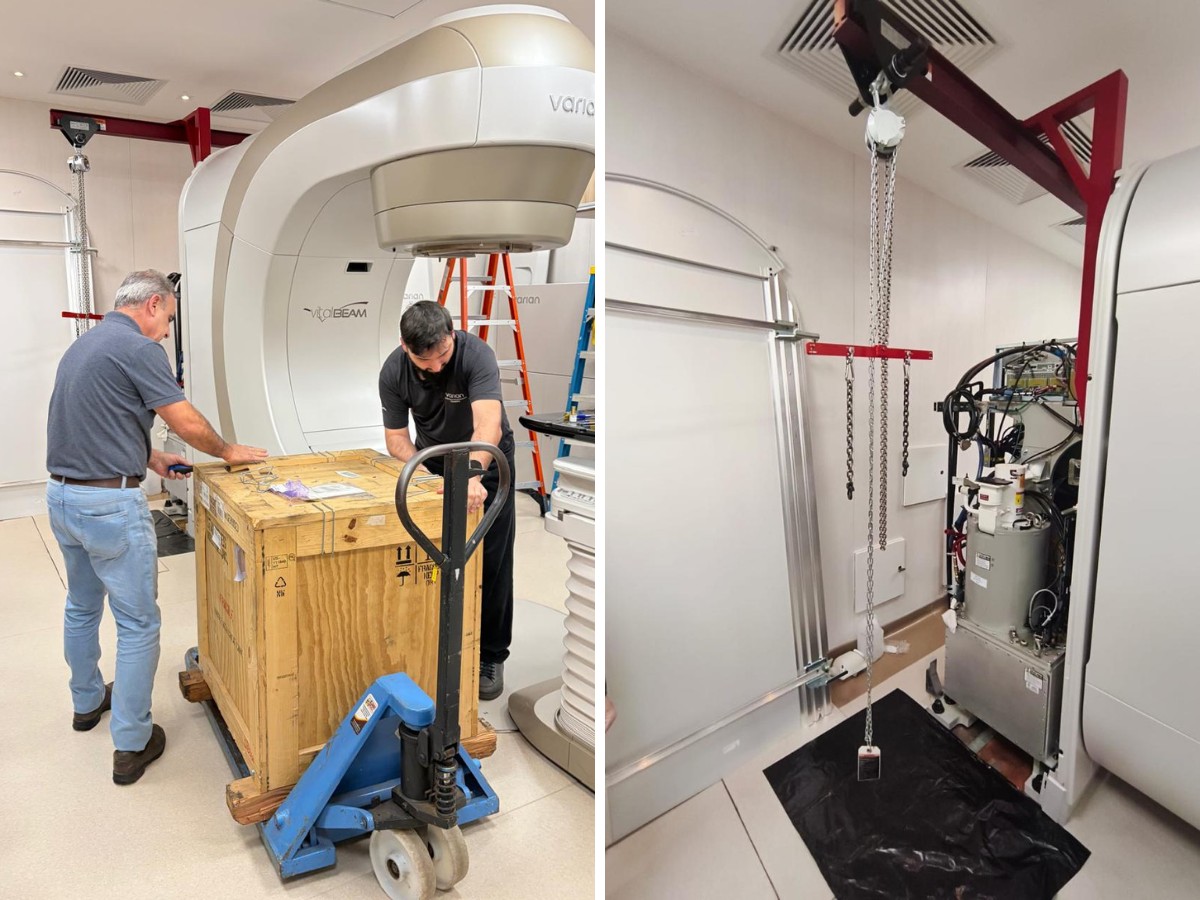
The Hospital de Clínicas (HC) of the State University of Campinas (Unicamp) resumed radiotherapy sessions for cancer patients on Monday, July 3rd. The treatment had been suspended due to a broken machine, which is now operational after the installation of a replacement part. This crucial component was imported from Singapore, according to hospital management. Over the weekend, hospital staff and technicians from the equipment manufacturer conducted tests to ensure the machine's safe return to service. The HC stated that patients continued to receive medical monitoring during the downtime. Those whose cases were suitable were transferred to another machine within the facility. For patients solely reliant on the malfunctioning equipment, medical professionals adjusted treatment plans and dosages to mitigate the impact of the interruption. The machine had been out of service since the first half of July. Previously, a patient undergoing treatment for throat cancer expressed significant distress over the suspension, highlighting the anxiety caused by the delay. The patient's daughter reported difficulties in obtaining a resolution from the hospital's ombudsman, citing repeated assurances of waiting for a part and technician. An oncologist had previously explained that radiotherapy requires consistent, five-session-per-week treatments, and prolonged interruptions can diminish effectiveness and negatively impact cure rates.
The repair of the radiotherapy equipment at Unicamp's HC addresses an immediate patient care crisis, but highlights systemic vulnerabilities in critical medical infrastructure. Reliance on imported parts for essential machinery points to potential supply chain fragilities that could be mitigated through diversified sourcing or domestic manufacturing partnerships. The incident also underscores the importance of robust contingency planning for equipment failure in healthcare settings, ensuring continuity of care without compromising treatment efficacy. Future-proofing such services may involve investing in redundant systems or exploring advanced remote diagnostics and maintenance protocols to minimize downtime and its profound impact on patient outcomes and psychological well-being.
AI-generated to prompt reflection — not editorial opinion, not advice, not a statement of fact. How this works.
