Unicamp's Limeira Campus to Launch Two New Undergraduate Programs in 2027
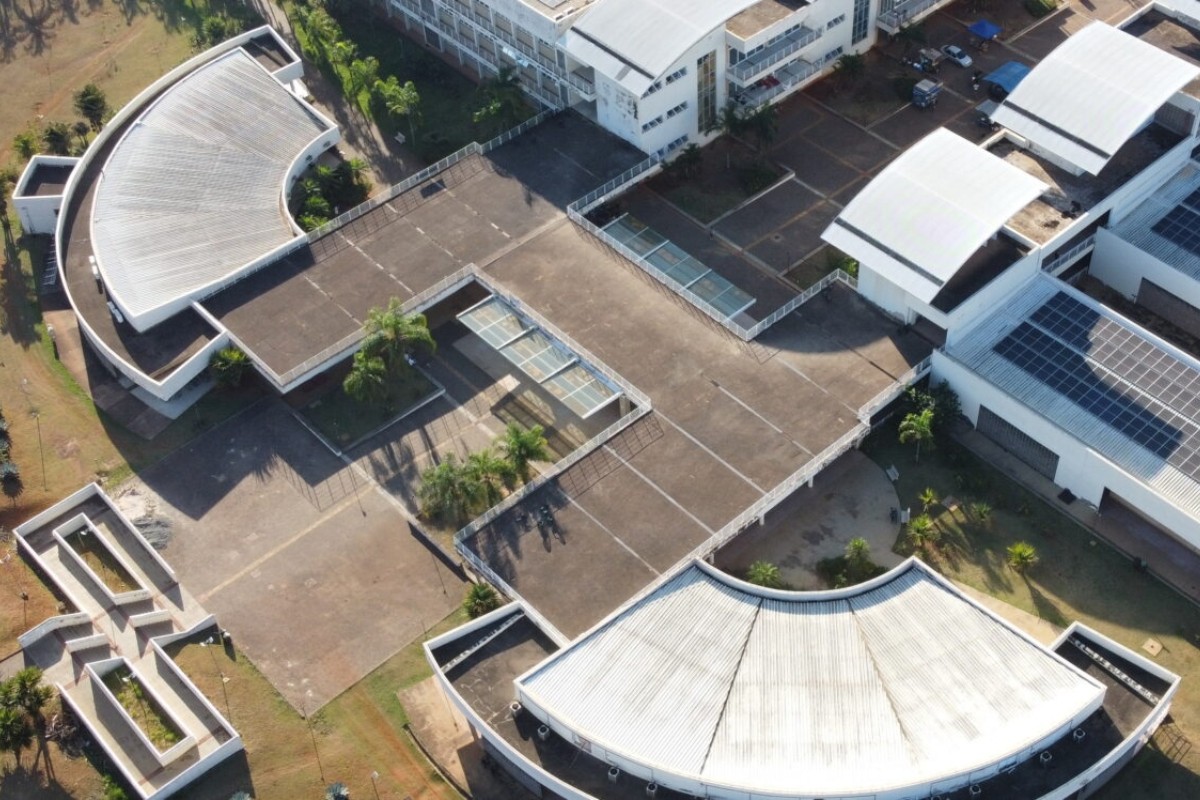
The State University of Campinas (Unicamp) campus in Limeira, São Paulo, will introduce two new undergraduate degree programs in 2027, marking the first new courses offered in 17 years. The new programs are Artificial Intelligence and Data Science, and International Relations. Applications for the 2027 vestibular (university entrance exam) opened on September 3rd. The first phase of the exam is scheduled for October 18th, with the second phase on November 29th and 30th. A total of 2,523 spots are available across 70 degree programs. The Artificial Intelligence and Data Science course will be a full-time, eight-to-12-semester program with 40 spots, jointly offered by the Faculty of Applied Sciences (FCA) and the Faculty of Technology (FT). It aims to provide an interdisciplinary education covering mathematics, statistics, computing, AI tools, and data science, with students able to specialize in areas like Smart Cities, Digital Government, or Health and High-Performance Sports. The International Relations program will be full-time with 60 spots offered by the FCA. The introduction of International Relations will lead to a reduction in spots for the evening administration course, from 180 to 60, though the total number of spots at the unit will remain unchanged. Additionally, the technology course in environmental sanitation will be discontinued starting with the 2027 vestibular, though current students can complete their studies. The vestibular process also includes a new 'overbooking' policy to compensate for students who do not finalize their enrollment, and candidates from São Paulo city will have options for their exam location. The application deadline is August 31st.
The expansion of Unicamp's Limeira campus with new programs in AI and International Relations reflects a strategic response to evolving global demands and technological advancements. By introducing AI and Data Science, the university is aligning its curriculum with future workforce needs, potentially enhancing its research output and attracting students interested in cutting-edge fields. The introduction of 'overbooking' addresses enrollment inefficiencies, a common challenge in higher education, by proactively managing matriculation gaps. The discontinuation of the environmental sanitation course, while potentially impacting a specific field, allows for resource reallocation towards newer, high-demand disciplines. This strategic shift signals a broader trend in higher education to adapt curricula to emerging industries and societal priorities, ensuring institutional relevance and competitiveness in the coming decade.
AI-generated to prompt reflection — not editorial opinion, not advice, not a statement of fact. How this works.
