UNICEF: 1 in 17 Brazilian Municipalities Face Severe Environmental Vulnerability
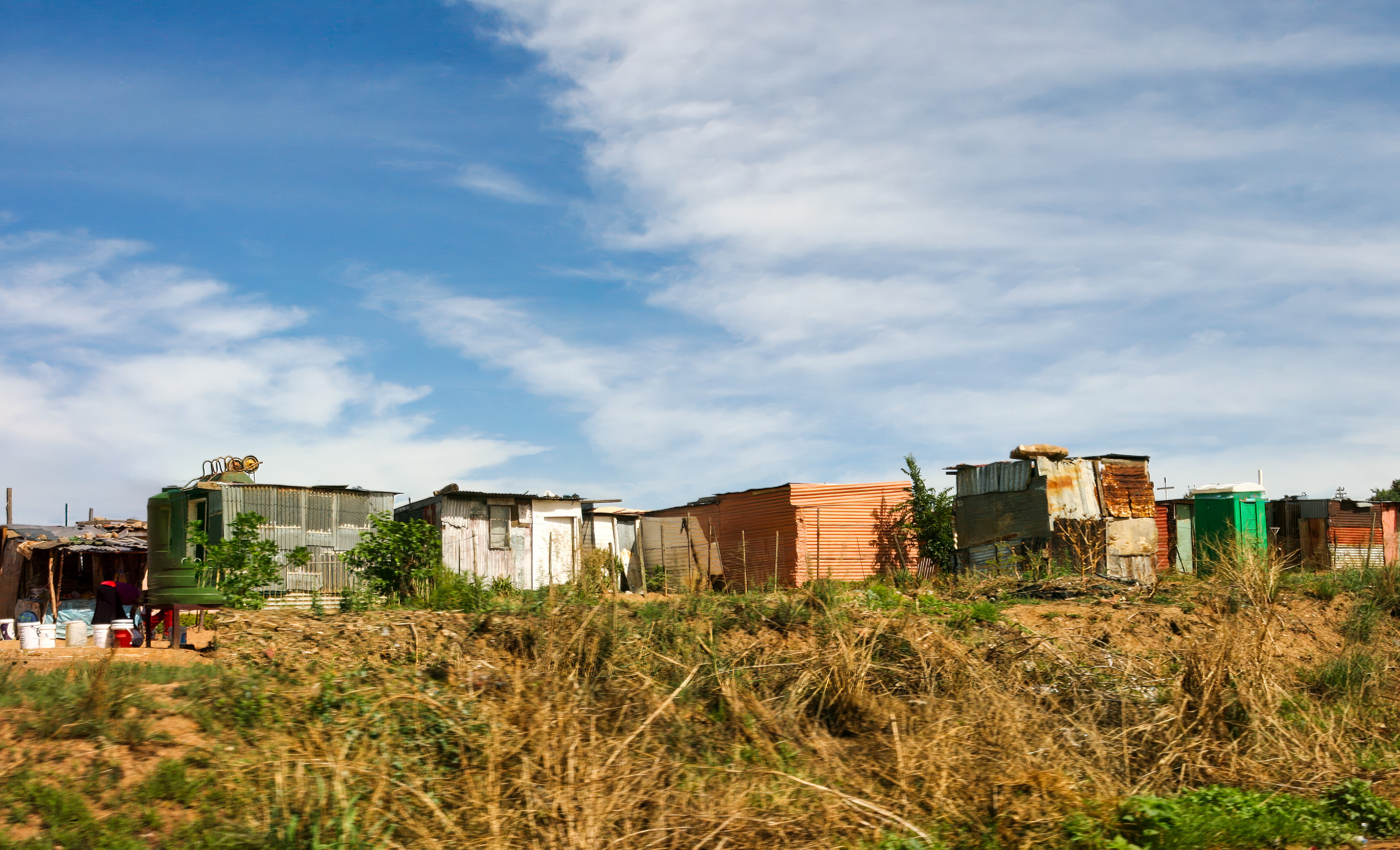
A new platform launched by UNICEF and Vital Strategies reveals that one in every 17 municipalities in Brazil, totaling 333 cities, exhibits high environmental vulnerability. This severe condition is characterized by a combination of critical issues, including poor basic sanitation coverage, increased exposure to extreme weather events, air quality challenges, and weaknesses in environmental and urban infrastructure. The analysis, which examined all 5,570 Brazilian municipalities, identified these 333 cities as having high priority in at least 10 out of 14 evaluated indicators, posing significant risks to children and adolescents. Conversely, only 108 municipalities (1.9%) showed no high-priority indicators. The platform is designed for municipal public management, integrating data on school environments, extreme climate events, air quality, and infrastructure to help officials identify key challenges and guide public policies. High vulnerability is not attributed to a single problem but rather to the accumulation of difficulties across different assessed areas. The North region has the highest concentration of municipalities with critical indicators, followed by the Northeast, Center-West, South, and Southeast. This regional disparity is linked to low sanitation coverage, intense environmental pressures, and extreme climate conditions prevalent in the Amazon region. The findings underscore the interconnectedness of environmental and urban infrastructure problems, necessitating integrated and geographically tailored public policies to protect children and adolescents from climate and environmental threats.
This UNICEF report highlights a critical intersection of environmental degradation and socio-economic vulnerability in Brazil, disproportionately affecting its youth. The data suggests that systemic underinvestment in basic infrastructure, particularly sanitation, coupled with the escalating impacts of climate change, creates a complex challenge for municipal governance. The concentration of these issues in the North and Northeast regions points to historical development disparities and the urgent need for targeted, integrated policies that address both environmental resilience and public health. Future policy frameworks must consider the long-term implications of climate adaptation and sustainable development, ensuring that investments in infrastructure and environmental protection are prioritized to mitigate risks for vulnerable populations and foster equitable growth across all regions.
AI-generated to prompt reflection — not editorial opinion, not advice, not a statement of fact. How this works.