UNICEF Study Reveals Complex Factors Behind Cesarean Births in Brazil
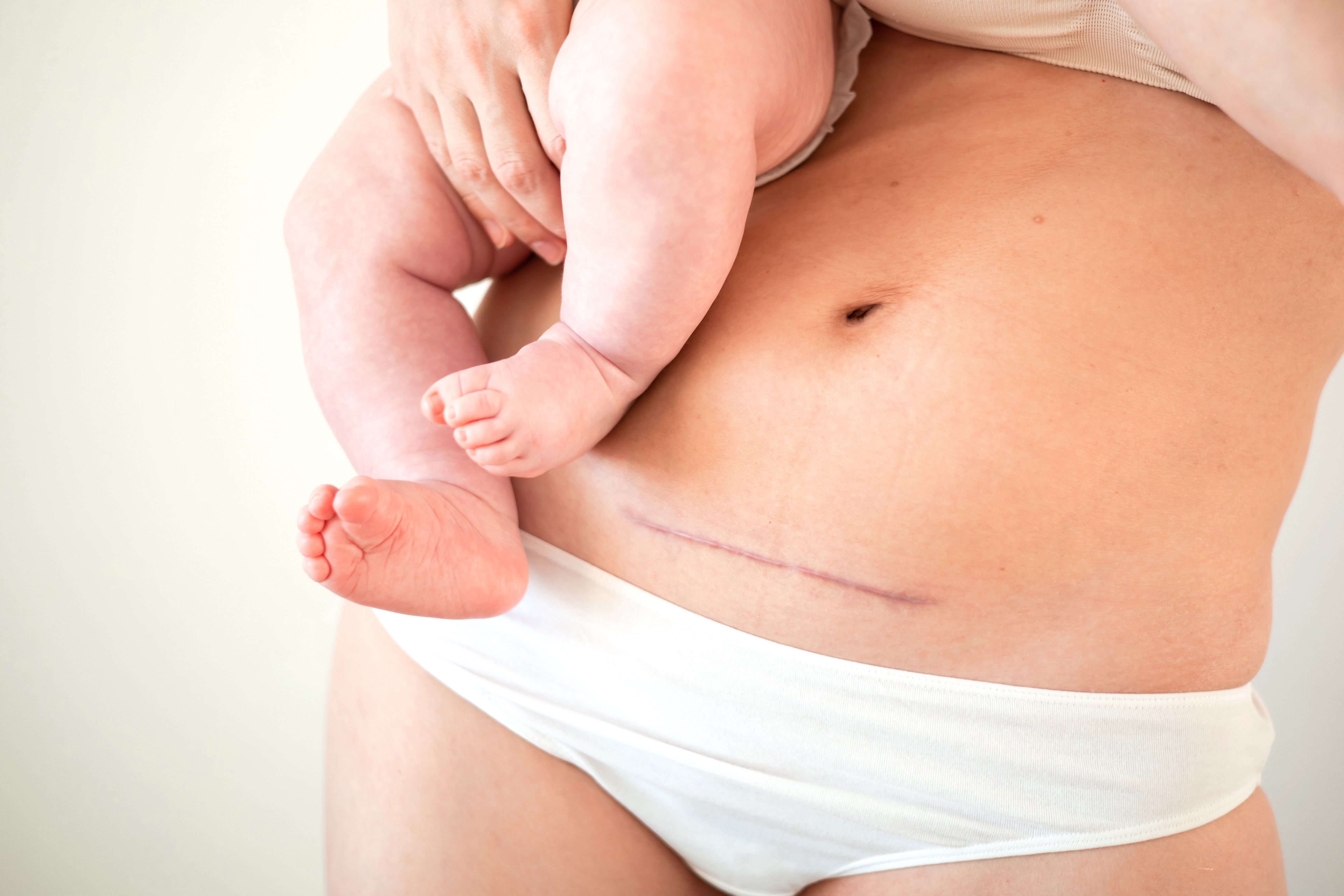
A UNICEF study in Brazil indicates that the majority of pregnant women initially prefer natural childbirth, yet cesarean sections are more common. The decision-making process for childbirth is influenced by a complex interplay of psychological, social, and structural factors throughout gestation, rather than solely the pregnant person's will. Factors such as fears, beliefs, prior experiences, family narratives, the quality of prenatal care, healthcare system organization, and access to information all contribute to why many women opt for cesarean births even when they initially desired a vaginal delivery. The research involved interviews with 94 pregnant and postpartum women and 37 healthcare professionals in Belém and São Paulo, cities known for high cesarean rates and distinct social contexts. Understanding these decision-making dynamics is crucial for reducing medically unnecessary cesareans and ensuring informed, respected birth choices. The study found that while cesareans are vital when clinically indicated, their frequency in Brazil exceeds what is expected for urgent obstetric situations, with rates reaching 69.28% in Belém and 56.19% in São Paulo, and even higher in the private sector (80.41% and 71.05% respectively). Psychological determinants include fear of pain and surgery, lack of preparation for labor, and a desire for concurrent tubal ligation, contrasting with factors favoring vaginal birth like perceived faster recovery and positive prior experiences. Socially, family influence is significant, with a tendency for public healthcare users to favor vaginal birth due to faster recovery perceptions, while private healthcare users often hear positive accounts of cesareans, normalizing surgical birth. Structural factors, such as inadequate prenatal preparation, limited access to pain relief, and difficulties with postpartum tubal ligation, also play a role. The UNICEF recommends strengthening prenatal preparation, increasing partner involvement, fostering community support, improving healthcare services, and expanding access to birth plans, pain management, and postpartum tubal ligation to support safer vaginal births and ensure autonomous, informed choices.
This UNICEF study highlights how deeply ingrained social norms, healthcare system structures, and individual psychological factors shape birth choices in Brazil, often overriding initial preferences for natural childbirth. The high rates of cesarean births, particularly in the private sector, suggest a system that may inadvertently incentivize surgical procedures or fail to adequately support women through the complexities of labor. Future public health strategies should focus on comprehensive prenatal education that addresses fears and misinformation, empowers women with greater autonomy in decision-making, and ensures healthcare providers are equipped to offer robust support for vaginal births. Addressing the structural barriers and social influences identified is key to promoting genuinely informed and respected birth experiences, aligning with evolving global healthcare standards that prioritize maternal autonomy and evidence-based practices.
AI-generated to prompt reflection — not editorial opinion, not advice, not a statement of fact. How this works.