Unidade Popular Party Nominates Indira Xavier for Governor of Minas Gerais
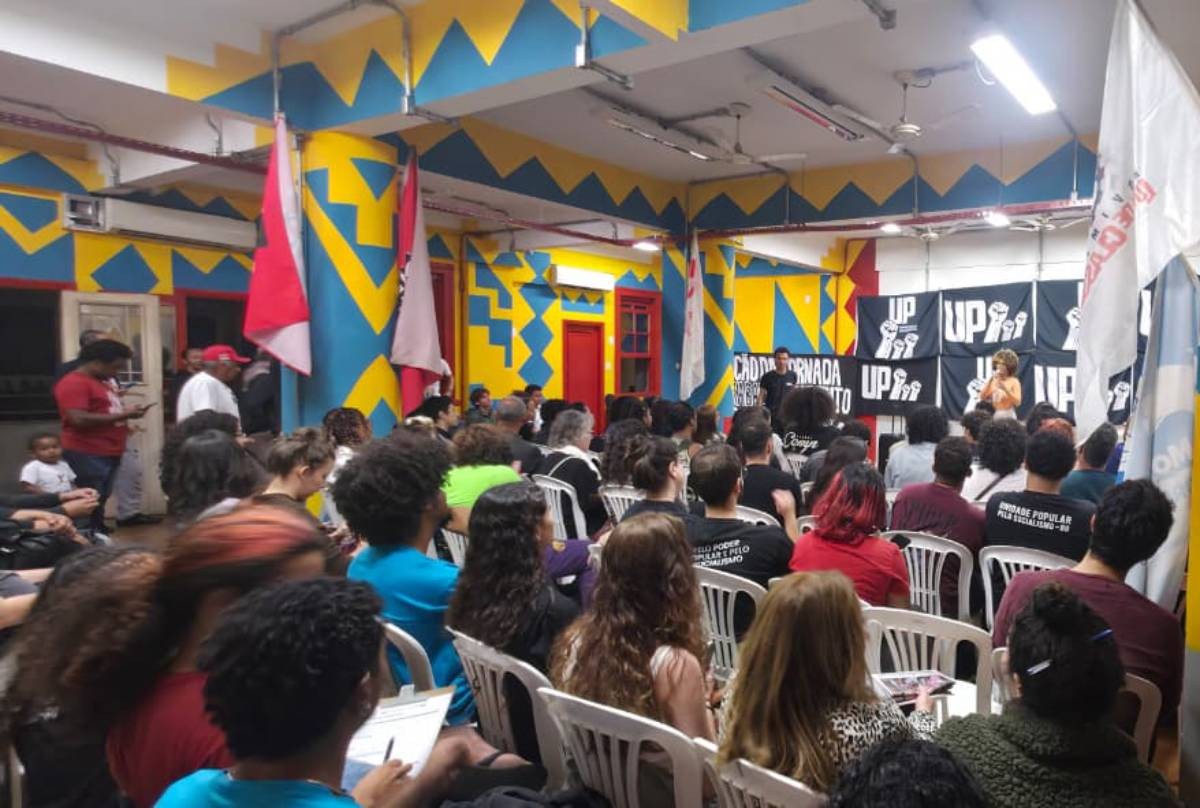
The Unidade Popular (UP) party has officially nominated Indira Xavier as its candidate for governor of Minas Gerais. The decision was finalized during a party convention held on Monday, July 20th, in Belo Horizonte. Xavier is a prominent social movement activist with a strong focus on human rights advocacy. She currently serves as the national coordinator for the Olga Benário Women's Movement and leads Casa Tina Martins, an organization dedicated to supporting women experiencing violence. This marks Xavier's second bid for the governorship of Minas Gerais, having previously run in 2022. She also competed for the mayorship of Belo Horizonte in 2024. Other UP nominations include Renato Amaral for vice-governor, and Ana Luiza of MLB and Fidélis Alcântara for the Senate. Xavier expressed a deep sense of responsibility, citing concerns over the privatization of Copasa, the sale of over 90 schools, increased predatory mining, rising violence against women, and the neglect of state health facilities. She emphasized her confidence in the party's 1,600 members in the state, who she believes represent a unified force for socialism and resistance against the influence of the wealthy and powerful. The convention season runs until August 5th, with candidate registrations due at the Superior Electoral Court (TSE) by August 15th, preceding the official campaign start on August 16th. Brazilians will vote for president, governor, senators, federal deputies, and state deputies on October 4th. Xavier, 42, began her activism at 16 in Maceió, focusing on student movements and human rights in education, urban planning, and public health. She moved to Belo Horizonte in 2016 to co-found Casa Tina Martins.
The Unidade Popular party's nomination of Indira Xavier for governor of Minas Gerais highlights a strategy to mobilize voters around social justice issues and critique state governance. By emphasizing privatization, educational cuts, environmental degradation, and violence against women, the party aims to differentiate itself from established political forces. This approach seeks to build a base among those disillusioned with current policies, framing the election as a contest between socialist principles and the interests of economic elites. Looking ahead, such platforms will likely face challenges in translating grassroots activism into broad electoral success against more resourced campaigns. The party's focus on systemic issues, however, could influence broader political discourse and potentially shape future policy debates, particularly concerning social welfare and environmental protection in the coming decade.
AI-generated to prompt reflection — not editorial opinion, not advice, not a statement of fact. How this works.