Unidade Popular Party Nominates Laís Chaud for Santa Catarina Governor in 2026 Elections
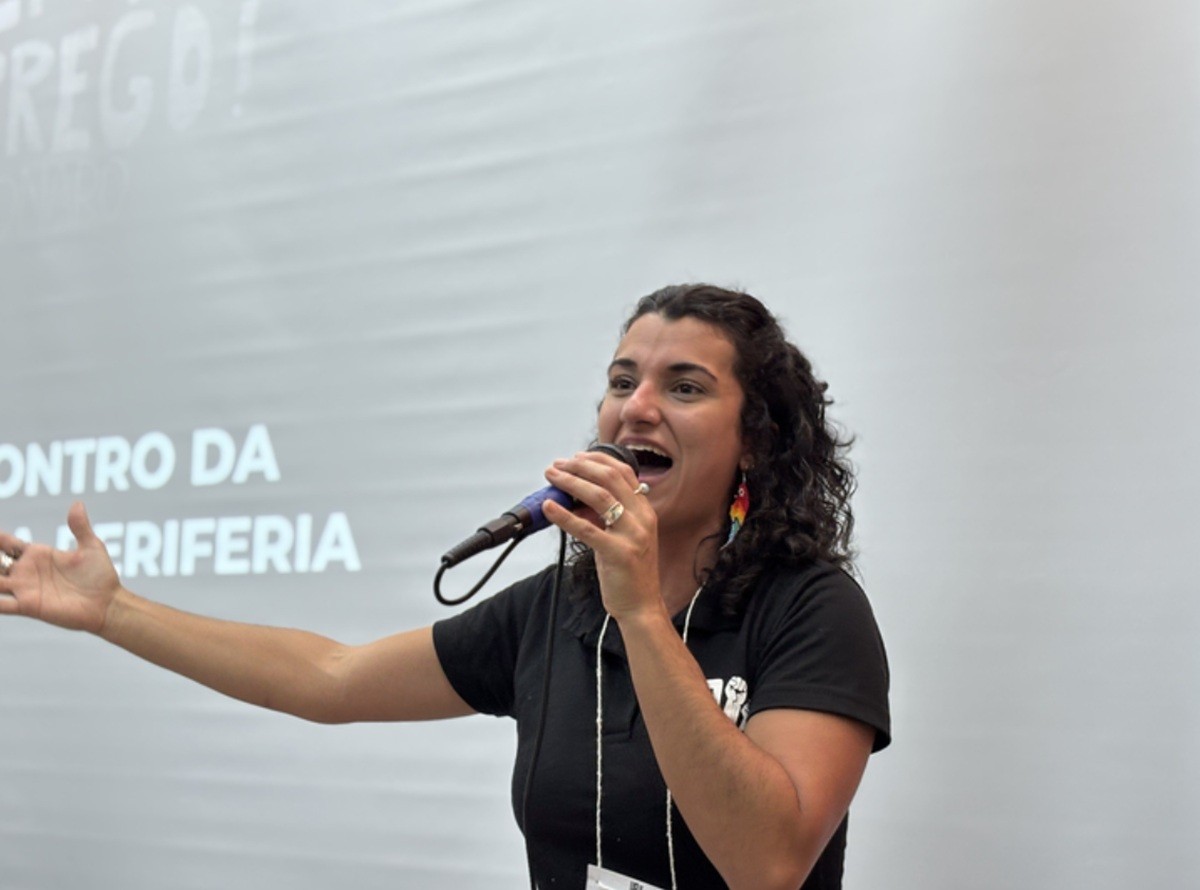
The Unidade Popular pelo Socialismo (UP) party has officially nominated Laís Chaud as its candidate for the governorship of Santa Catarina in the 2026 elections. The decision was finalized at a convention held on Monday, May 20th, at the Trindade campus of the Federal University of Santa Catarina (UFSC) in Florianópolis. Chaud, a psychologist and healthcare worker, also serves as the president of the UP's chapter in Florianópolis. This marks her first run for governor, building on a political career that began in the student movement. She is currently the national coordinator for the Movement for Struggle in Neighborhoods, Villages, and Favelas (MLB). The UP also approved Nathália Melo for vice-governor, and Ana Lúcia da Silveira and Marlenne Soccas for the Senate. The party will contest the 2026 elections independently. Chaud, 35, holds a bachelor's and master's degree in Psychology from UFSC and has been active in housing and urban reform movements. She is also involved with the Olga Benario Women's Movement, advocating for an end to violence against women. Nathália Melo, 34, is a cleaner and coordinator for the Revolutionary Black Front (FNR).
The Unidade Popular party's nomination of Laís Chaud for governor reflects a strategy to mobilize specific demographic and ideological segments, particularly focusing on workers, women, and those involved in social movements. By running independently, the UP signals a commitment to its distinct socialist platform, aiming to present an alternative to established political forces. This approach may resonate with voters seeking radical change but could also limit the party's electoral reach in a fragmented political landscape. The emphasis on social justice and combating violence aligns with broader societal concerns, positioning the UP to potentially influence policy debates even if electoral success is limited. The party's strategy will be tested by its ability to translate grassroots activism into broad electoral support and navigate the complex dynamics of Brazilian federal and state elections over the next decade.
AI-generated to prompt reflection — not editorial opinion, not advice, not a statement of fact. How this works.