Unidade Popular Party Selects Juliete Pantoja for Rio de Janeiro Governor Race
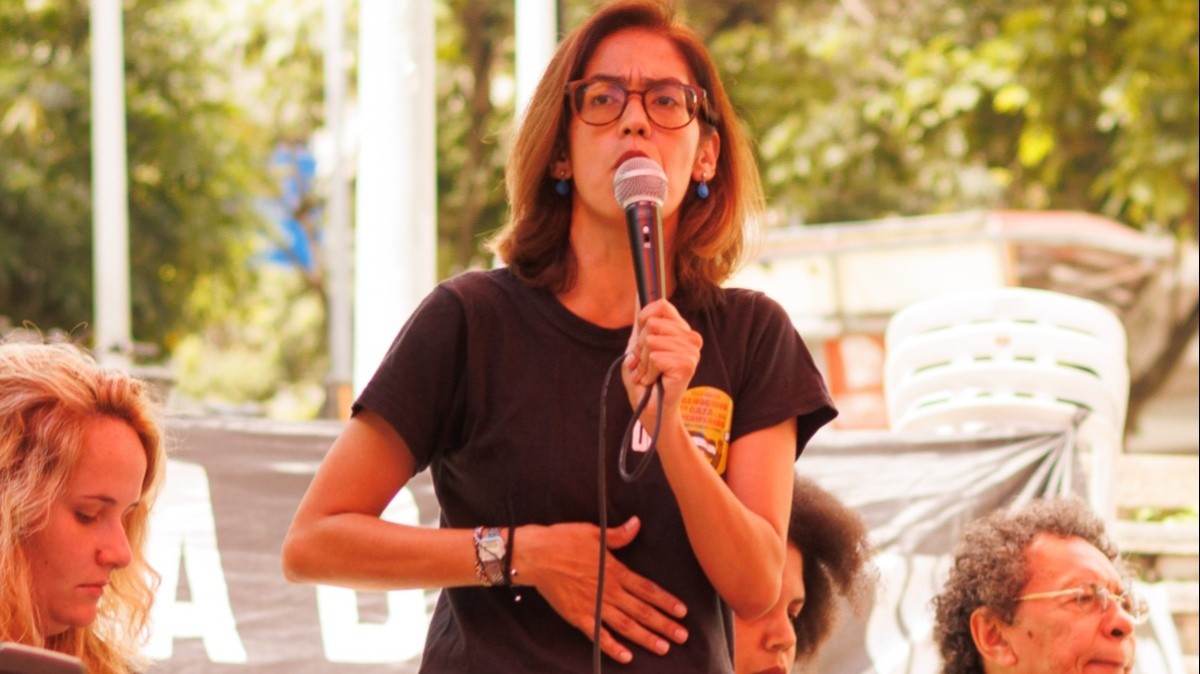
The Unidade Popular (UP) party has officially nominated Juliete Pantoja as its candidate for governor of Rio de Janeiro. This decision was formalized during the party's convention held on Saturday, July 1st, at the Telecommunications Workers Union in Maracanã, located in the North Zone of Rio. Pantoja, 36, is a popular educator and an activist with the Movement for Struggle in Neighborhoods, Villages, and Favelas (MLB). She will be running with psychologist Bia Martins as her running mate. This marks Pantoja's second attempt to secure the governorship of Rio de Janeiro, having previously run for the position. She also ran for Mayor of Rio in 2024 and previously sought the governorship two years prior. Pantoja, who currently chairs the Unidade Popular in Rio de Janeiro state, has been involved in adult literacy projects and was part of the Rio de Janeiro High School Students Association (Aerj) in Baixada Fluminense. Her platform emphasizes a socialist, left-wing agenda focused on social causes, with a particular priority on improving health and education services and advocating for housing access. The convention process is part of the lead-up to the general elections, with candidate registrations due by August 15th and the official campaign beginning the following day. Voters will elect the president, governors, senators, federal deputies, and state deputies in this year's elections.
The nomination of Juliete Pantoja by the Unidade Popular party for the governorship of Rio de Janeiro highlights the ongoing efforts of smaller left-wing parties to gain traction in Brazil's complex political landscape. Pantoja's background as a popular educator and activist positions her as a candidate focused on social issues and grassroots mobilization, aiming to represent marginalized communities. Her repeated candidacies signal a commitment to sustained political engagement despite potential electoral challenges. The party's strategy appears to be centered on articulating a distinct socialist vision, prioritizing social welfare and housing, which could resonate with specific segments of the electorate. As the electoral calendar progresses, the effectiveness of such platforms will be tested against broader political forces and the capacity of these parties to translate activism into broader electoral support within the established two-round voting system.
AI-generated to prompt reflection — not editorial opinion, not advice, not a statement of fact. How this works.