Unidade Popular Party Selects Serley Leal as Candidate for Ceará Governor
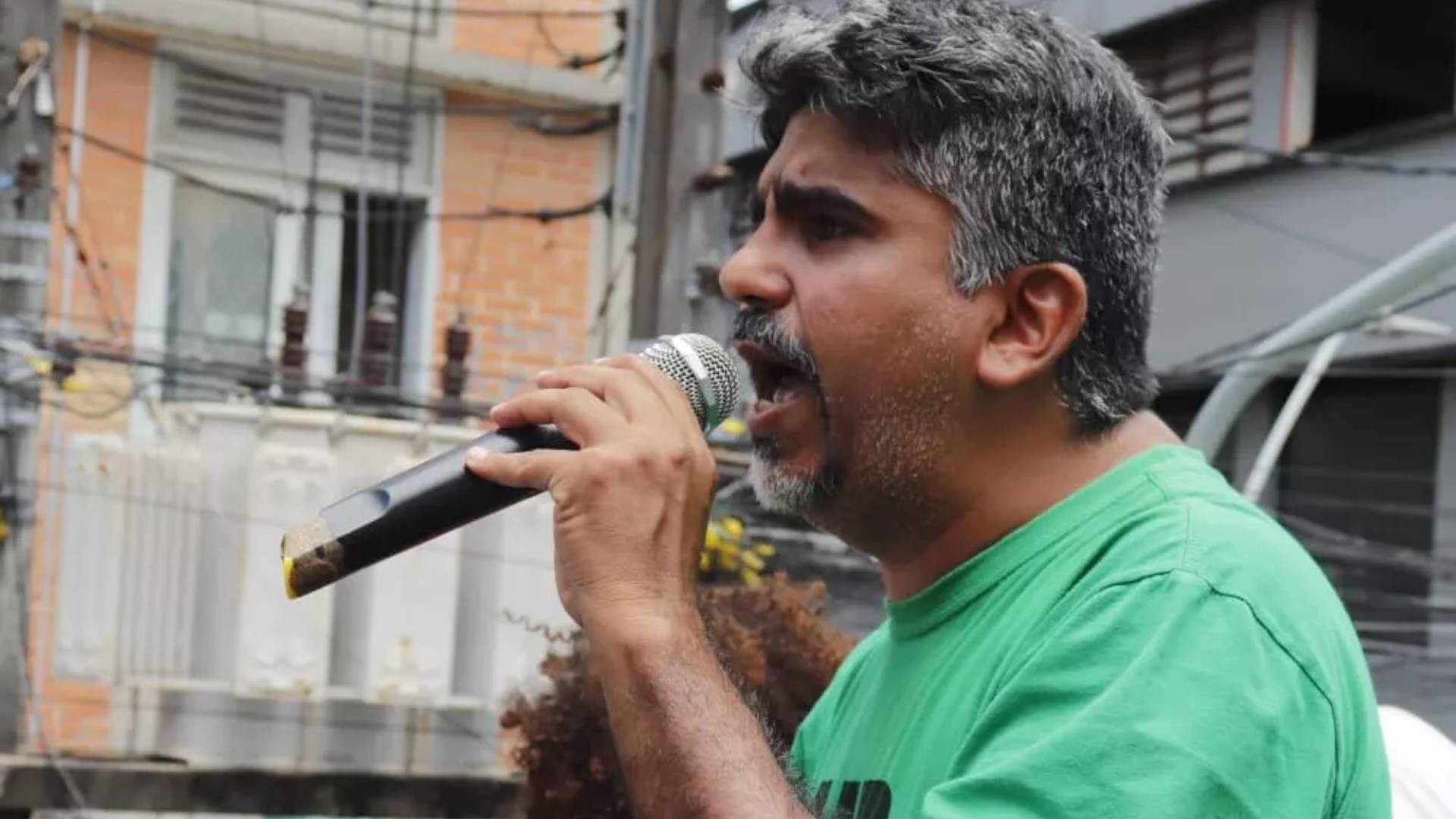
The Unidade Popular pelo Socialismo (UP) party has officially nominated Serley Leal as its candidate for the governorship of Ceará in the upcoming 2026 elections. The decision was formalized during a party convention held on Thursday, June 23rd, at the State University of Ceará (Uece) in Fortaleza. Leal, a 44-year-old finance manager and career banker originally from Iguatu, Ceará, previously ran for governor in 2022, securing 1,881 votes. The convention also designated Catherine Teles as the vice-gubernatorial candidate and Professor Catarina Matos as the senatorial candidate. Additionally, the UP confirmed three candidates for the Chamber of Deputies and two for the Legislative Assembly of Ceará, emphasizing that the party will not form electoral coalitions. Leal highlighted the party's limited campaign funding, stating that their strategy will rely on grassroots efforts, including direct engagement with voters at factories, schools, and universities. The UP's convention calendar follows the general election timeline, with candidate nominations due by August 5th and registration with the Superior Electoral Court (TSE) by August 15th. Brazilians will vote for president, governor, senators, federal deputies, and state deputies on October 4th. Leal's background includes activism in student movements in the 1990s and early 2000s, participation in urban housing movements, and co-founding the UP in Ceará. He previously ran for vice-mayor of Fortaleza in 2020.
The Unidade Popular party's nomination of Serley Leal for governor of Ceará signals a strategic focus on grassroots mobilization, particularly given the party's acknowledgment of limited campaign finance. This approach underscores a broader trend where smaller parties may leverage direct voter engagement to overcome resource disparities, emphasizing ideological commitment over broad electoral appeal. The party's decision to forgo coalitions suggests a desire to maintain ideological purity and build independent electoral strength. Looking ahead, the effectiveness of such a strategy will depend on the party's ability to translate localized activism into broader electoral support in an increasingly complex political landscape shaped by digital communication and evolving voter priorities.
AI-generated to prompt reflection — not editorial opinion, not advice, not a statement of fact. How this works.