Unidentified Body Found in Santos Port Container Remains a Mystery
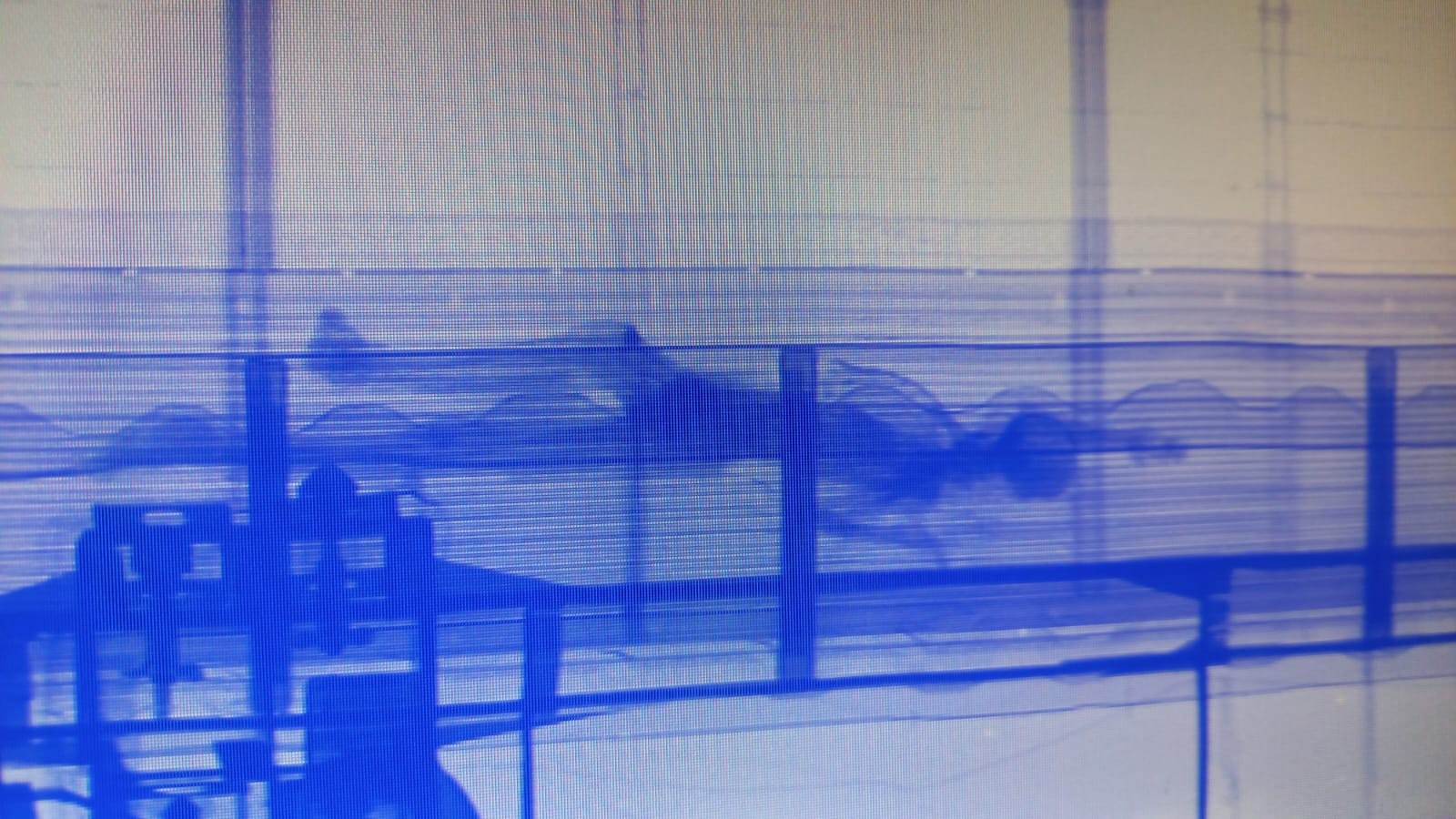
Nearly three years after its discovery, the body found in a shipping container at the Port of Santos, Brazil, remains unidentified. The remains, in an advanced state of decomposition, were detected by a security scanner on September 14, 2023. The primary lead in solving the case is the DNA of the man, which is held by the Federal Police (PF). As there are no fingerprint records in Brazil, the genetic material is the authorities' hope for identification, should any family member come forward for comparison.
The vessel originated in Singapore and docked in Tangier, Morocco, on September 1, 2023, where the container was loaded. The ship also passed through Ivory Coast, where the container doors were sealed until they were opened in Santos. Federal Police investigations suggest the man boarded the container during the ship's stop in Ivory Coast, leading authorities to believe he was born or resided in that African nation. The death is presumed to have occurred due to circumstances related to the person being trapped in the container during the voyage to Santos. However, investigations have been hampered by a lack of cooperation from Ivory Coast authorities and its embassy.
The necropsy examination by the IML of Praia Grande indicated an undetermined cause of death and was inconclusive for identification. The man was described as an adult, 1.60 meters tall, with black skin and short, black, kinky hair. His DNA is being held by the PF pending identification or determination of the cause of death. The IML previously stated the body remained unknown due to the absence of a dactyloscopic record in Brazil, suggesting this was the first time this individual's genetic profile was encountered in the country.
The discovery of an unidentified body within international shipping logistics highlights systemic vulnerabilities in cargo security and human trafficking detection. The protracted investigation, stalled by a lack of international cooperation, underscores the complexities of cross-border law enforcement and the need for enhanced bilateral agreements. As global trade volume increases, such incidents may become more frequent, necessitating advancements in scanning technology and data sharing protocols to ensure accountability and prevent future tragedies. The reliance on DNA as the sole identifier, while crucial, also points to the limitations of current identification methods when individuals lack prior official records.
AI-generated to prompt reflection — not editorial opinion, not advice, not a statement of fact. How this works.