Unidentified body found in Santos Port container sent to Interpol
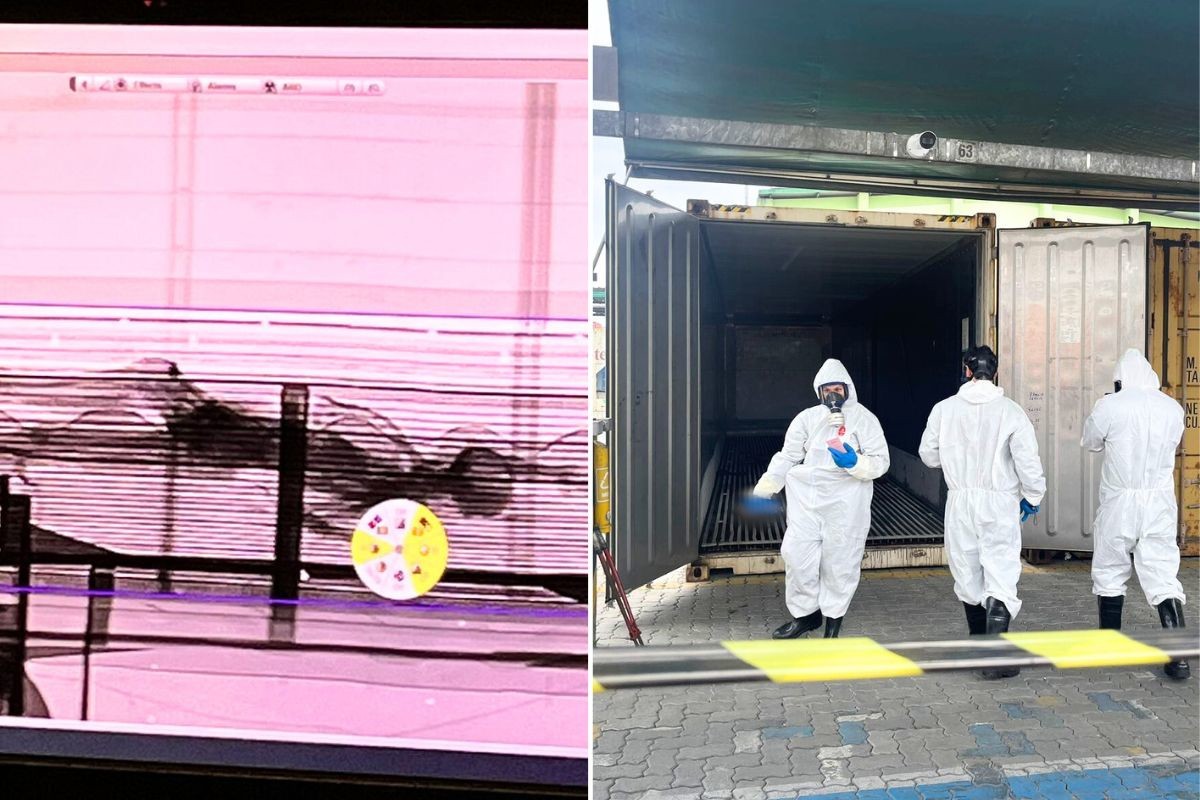
Brazilian Federal Police (PF) have sent details of an unidentified body discovered in a shipping container at the Port of Santos to Interpol, the international criminal police organization. This action is part of an ongoing effort to identify the remains, which were first detected by a security scanner nearly three years ago. The primary lead in solving the case is the victim's DNA, which is currently held by the PF. As no fingerprint records exist for the individual in Brazil, authorities hope the genetic material will aid identification if a family member comes forward. The PF has stated that the investigation has been archived due to the exhaustion of all possible inquiries within Brazil. However, the collected data and the corpse's characteristics have been shared with Interpol via a "Black Notice," which is used to share information on unidentified bodies or human remains to facilitate identification. The body is described as an adult male, approximately 1.60 meters tall, with dark skin and short, black, kinky hair. Investigations suggest the man, or his body, may have boarded the container in Ivory Coast, as the ship passed through the country after departing from Singapore and before reaching Morocco. Brazil requested international legal cooperation for inquiries in Ivory Coast, but has not yet received a response. The ship's journey included stops in Singapore, Tangier (Morocco), and Ivory Coast before arriving in Santos, Brazil, where the container was scanned on September 14, 2023. The autopsy determined the cause of death as indeterminate and was inconclusive for identification, with the PF believing the individual likely became trapped in the container during transit.
The discovery of an unidentified body within international shipping routes highlights systemic challenges in global transit security and migrant tracking. The reliance on DNA and the lack of fingerprint records underscore the need for enhanced international data sharing protocols for unidentified persons. The PF's efforts to engage Ivory Coast through legal cooperation, despite no response, points to the complexities and potential bottlenecks in cross-border investigations. This case serves as a stark reminder of the hidden human element within global supply chains and the critical importance of robust identification mechanisms that transcend national borders, particularly in an era of increasing global mobility and potential exploitation.
AI-generated to prompt reflection — not editorial opinion, not advice, not a statement of fact. How this works.
