Unidentified Homeless Man Dies After Tree Falls During 100 km/h Winds in Santos, SP
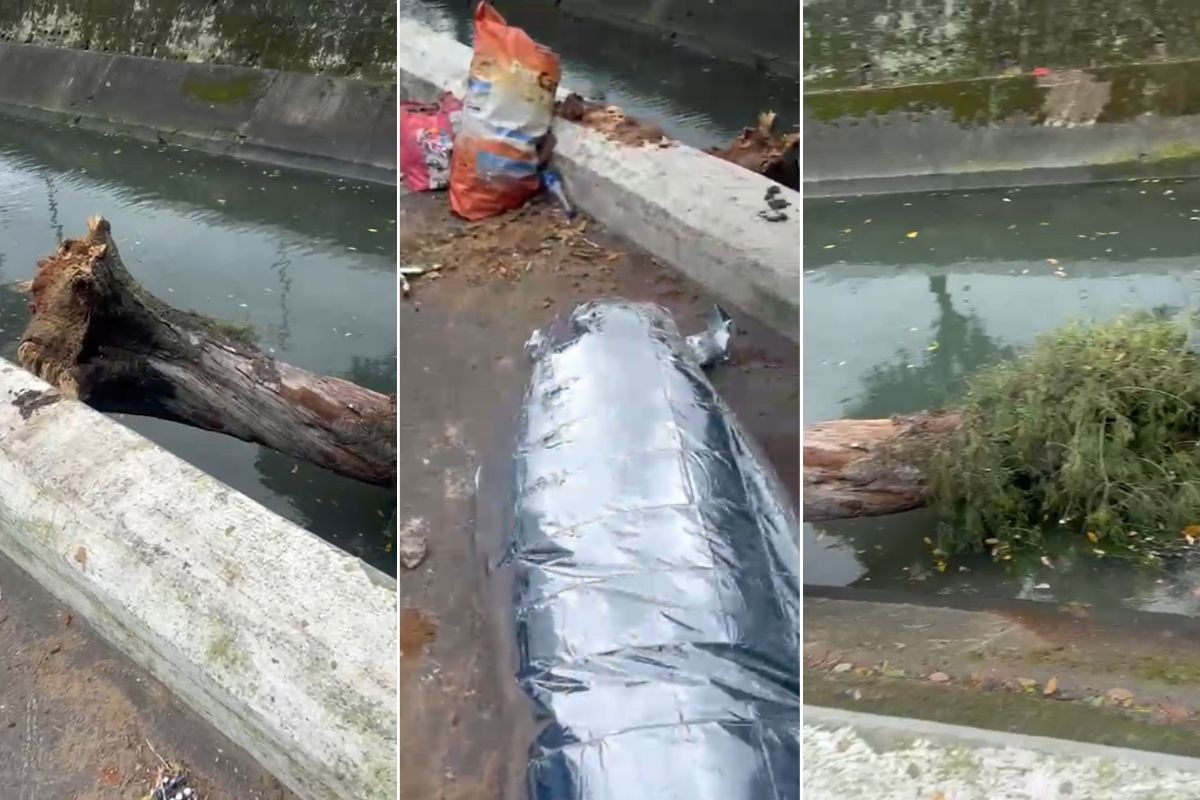
A homeless man, estimated to be around 50 years old, died in Santos, on the coast of São Paulo, after being struck by a falling tree during a storm with winds exceeding 100 km/h. The incident occurred on Wednesday, November 29th, on Avenida Almirante Cochrane. The man was reportedly sitting on a wall when the tree fell, causing him to fall into Canal 5. He was found without identification and remains unidentified. Emergency services, including the Fire Department, were called to the scene and attempted resuscitation, but the victim had already suffered cardiac arrest and was pronounced dead. The Civil Police are investigating the case, with the delegate noting a severe head injury as the likely cause of death. The body was sent to the Legal Medical Institute (IML) for identification and to determine if negligence was a factor. The City Hall of Santos confirmed the body remained at the scene for forensic examination before being removed by the IML, and a witness was taken to the police station for a statement. The State Civil Defense has reiterated warnings for the public to pay attention to weather alerts and seek safe shelter during storms. Santos is noted as the fourth city in São Paulo State with the highest number of homeless individuals, and second when considering population proportion.
This incident highlights the vulnerability of individuals experiencing homelessness during extreme weather events. The severe winds, exceeding 100 km/h, caused significant disruption, including the paralysis of the Port of Santos and widespread tree falls. The death of an unidentified homeless man underscores systemic issues related to urban infrastructure resilience and the lack of adequate support systems for vulnerable populations. While the investigation will focus on potential negligence, the event also prompts reflection on urban planning and emergency preparedness, particularly concerning how such events disproportionately affect those without secure housing. Future urban development and climate adaptation strategies must consider the needs of all residents, ensuring that public safety measures extend to the most marginalized communities.
AI-generated to prompt reflection — not editorial opinion, not advice, not a statement of fact. How this works.