Unime Opens Medical School Admissions with Advanced Training and Simulation
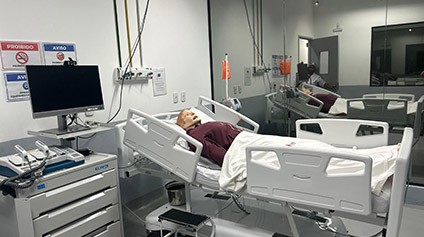
The Centro Universitário Unime in Lauro de Freitas, Bahia, Brazil, has opened admissions for its medical school's traditional entrance exam, with applications due by August 6, 2026. Unime aims to provide a comprehensive medical education that blends academic excellence with early practical experience and a humanistic approach to healthcare. The curriculum is designed to equip students with essential skills in health promotion, disease prevention, diagnosis, and treatment, emphasizing ethics, responsibility, and empathy. The program integrates theory and practice through modern infrastructure and advanced technological resources, including realistic simulation models for childbirth, emergencies, and complex procedures like intubation and CPR. Active learning methodologies such as Problem-Based Learning (PBL), Case-Based Learning (CBL), and Team-Based Learning (TBL) are employed to foster critical thinking and clinical reasoning. Students benefit from a faculty of experienced healthcare professionals and gain practical experience through partnerships with local hospitals and health units. Access to international medical resources like UpToDate and virtual clinical case platforms such as Paciente 360 further supports their learning and skill development. Unime's medical program focuses on preparing future doctors for the demands of contemporary medical practice, stressing excellence, safety, and a commitment to patient care from the first semester.
Unime's emphasis on advanced simulation technologies and diverse active learning methodologies in its medical program reflects a broader trend in higher education to bridge the gap between theoretical knowledge and practical application. By integrating tools like UpToDate and virtual patient platforms, the institution aims to cultivate evidence-based decision-making skills crucial for navigating complex medical scenarios. This approach, while potentially enhancing graduate preparedness, also highlights the increasing integration of digital tools into professional training. The program's focus on early clinical exposure and partnerships with healthcare facilities suggests a strategic effort to align educational outcomes with the evolving needs of the healthcare sector. Future medical education will likely continue to see innovations in blended learning, personalized training pathways, and the ethical integration of AI in diagnostics and patient care, posing both opportunities and challenges for institutions and practitioners alike.
AI-generated to prompt reflection — not editorial opinion, not advice, not a statement of fact. How this works.