Unimed Petrópolis Warns Customers of Scams Using Company Name
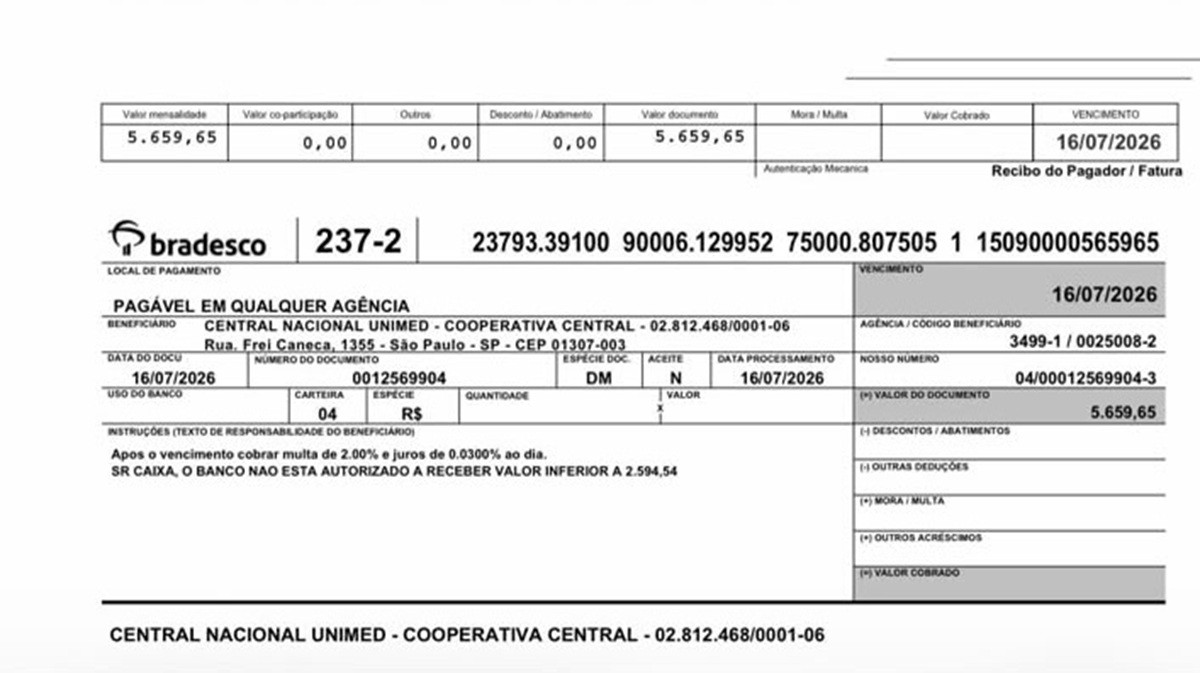
Unimed Petrópolis, a health cooperative in the Serrana Region of Rio de Janeiro, has issued a warning to its beneficiaries regarding fraudulent attempts to use its brand name for scams. Criminals are reportedly sending fake emails with payment requests exceeding R$5,000, aiming to deceive customers into making unauthorized payments. The cooperative urges all beneficiaries and the general public to exercise extreme caution and vigilance. Unimed Petrópolis emphasizes that any payment requests, requests for updated personal information, or demands for personal data should only be confirmed through their official communication channels. Emails originating from the cooperative can be identified by the domain '@unimedpetropolis.coop.br'. If there are any doubts about a communication, individuals are advised not to make any payments or share personal or banking details. Instead, they should contact Unimed Petrópolis immediately to verify the authenticity of any alleged charges. The cooperative's president, Dra. Rosane Banger, noted the increasing frequency of such scams and stressed the importance of beneficiaries always confirming charges via official channels. Unimed Petrópolis also highlighted that beneficiaries can generate their own payment slips securely through the cooperative's online services or mobile application. The organization stated it is actively monitoring these situations and reaffirmed its commitment to information security, transparency, and ongoing customer guidance to prevent fraud.
This incident highlights the persistent challenge of phishing and brand impersonation scams, particularly targeting established organizations like health cooperatives that handle sensitive financial and personal data. The proliferation of such schemes underscores the need for continuous cybersecurity education for both organizations and their customer bases. As digital transactions become more prevalent, the onus is on institutions to implement robust multi-factor authentication and secure communication protocols, while also empowering users with clear, actionable guidance on identifying and reporting fraudulent communications. Future-proofing against these evolving threats will require a layered approach, combining technological safeguards with proactive public awareness campaigns to foster a more resilient digital ecosystem.
AI-generated to prompt reflection — not editorial opinion, not advice, not a statement of fact. How this works.