Unions Express Concern Over Lyttelton Port Privatization Amidst Unsolicited Bid Rejection
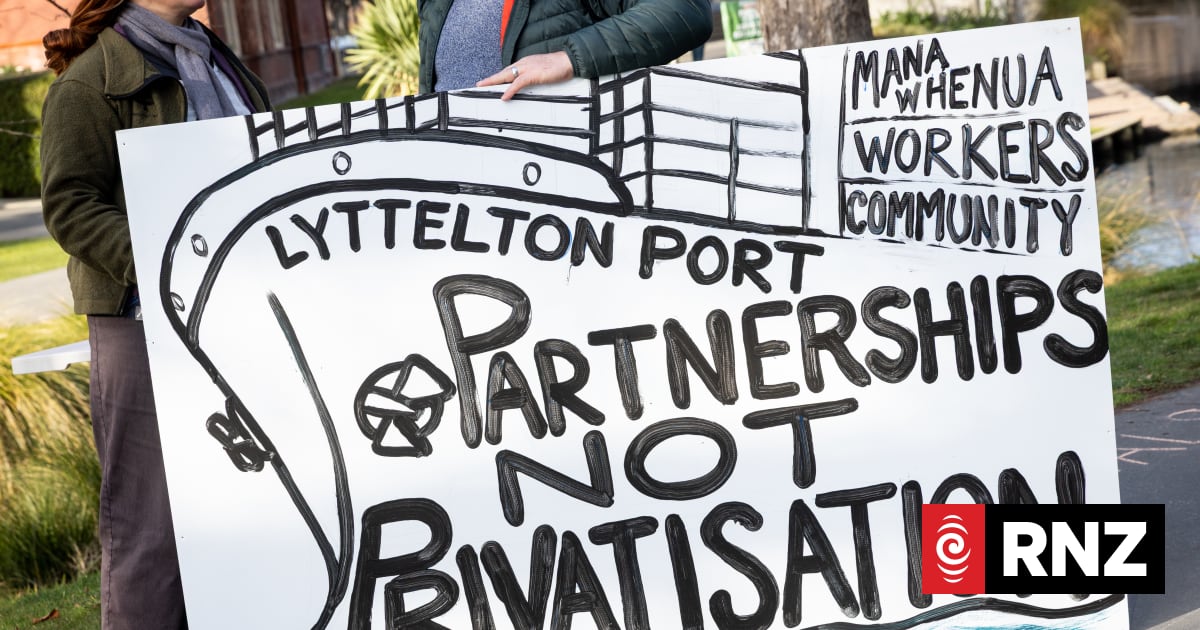
Despite the rejection of an unsolicited bid, unions are voicing concerns about the potential privatization of Lyttelton Port. Protesters gathered outside CCHL's Cambridge Terrace office to reiterate their demand that the port remain under public ownership. The demonstration aimed to highlight ongoing anxieties within the union movement regarding the future control of this critical infrastructure. While the specific unsolicited bid was turned down, the underlying sentiment suggests a persistent interest in private acquisition of the port. Unions are actively campaigning to ensure public interests are prioritized and that the port's operations continue to serve the community effectively. The protest signifies a clear message to CCHL and other stakeholders about the strong opposition to privatization. Their efforts are focused on maintaining public accountability and preventing any potential negative impacts on port workers and the wider economy. The unions' stance underscores the importance of public assets and the need for transparency in decisions affecting them.
The union's proactive stance against potential privatization of Lyttelton Port, even after an unsolicited bid's rejection, indicates a strategic focus on long-term asset control. This situation highlights a common tension between public interest, often prioritizing service and accessibility, and private capital, which typically seeks profitability and efficiency gains. The unions' actions suggest an awareness of market dynamics that may lead to future privatization attempts, prompting preemptive advocacy. Their objective appears to be safeguarding public ownership as a mechanism to ensure accountability and potentially buffer against market volatility or shifts in corporate priorities over the next decade, particularly as global trade patterns evolve.
AI-generated to prompt reflection — not editorial opinion, not advice, not a statement of fact. How this works.