United Airlines Faces Billions in Unexpected Fuel Cost Increases
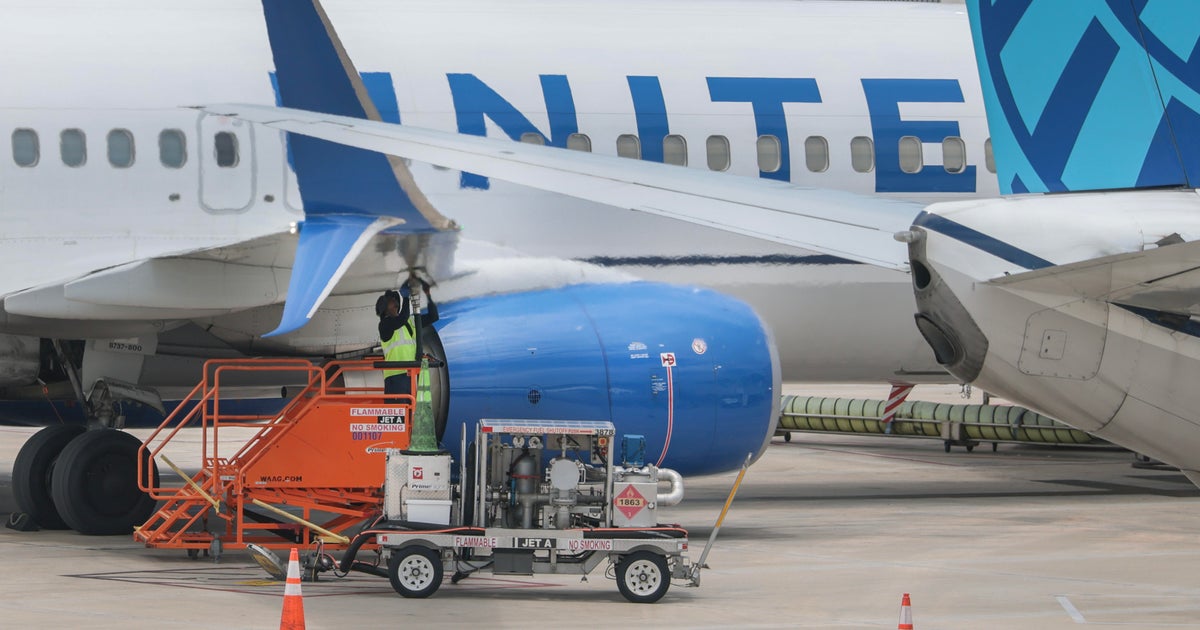
U.S. airlines are experiencing significantly higher jet fuel costs than initially projected for the year, leading to substantial financial strain. United Airlines, in particular, is anticipating an additional $6 billion in fuel expenses. This surge in costs presents a major challenge for the airline industry, which had planned its budgets based on different fuel price assumptions at the start of the year. The unexpected rise impacts profitability and may necessitate adjustments in operational strategies or pricing. The full extent of the financial impact across the broader U.S. airline sector is still being assessed, but the initial figures suggest a considerable burden. This situation highlights the volatility of commodity markets and their direct effect on major industries.
The substantial increase in anticipated fuel costs for United Airlines, amounting to $6 billion, underscores the financial vulnerability of the airline industry to global energy market fluctuations. This situation presents a critical challenge for strategic financial planning, as such unexpected expenses can significantly impact profitability and investment capacity. Airlines must continually refine their risk management strategies to mitigate the effects of volatile fuel prices, potentially through hedging or by optimizing operational efficiencies. The long-term implications may involve a re-evaluation of pricing models and a greater emphasis on sustainable aviation fuels to reduce reliance on fossil fuels, aligning with both economic prudence and environmental imperatives in the coming decade.
AI-generated to prompt reflection — not editorial opinion, not advice, not a statement of fact. How this works.