Univasf Museum Vacates Petrolina Waterfront Building After Only Two Years
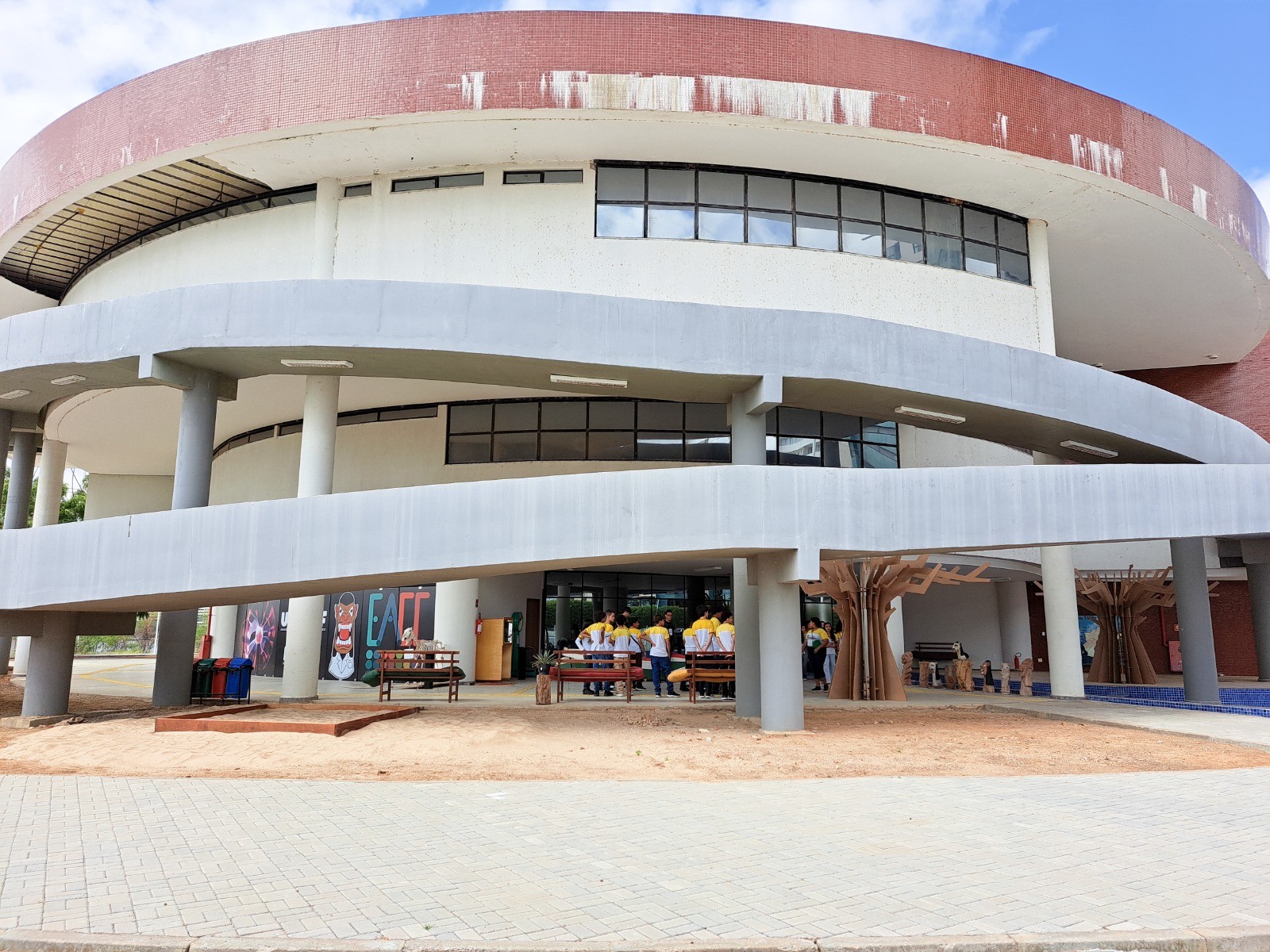
The Federal University of the São Francisco Valley (Univasf) has closed its Art, Science, and Culture Space (EACC) at its Petrolina waterfront location after just two years of operation. The museum's activities ceased on Friday, September 10th, as the Pernambuco state government requested the return of the property. The building, originally slated for completion in 2024 after construction began in 2011, was occupied by Univasf under a 20-year land use permit granted in 2006 by the Pernambuco Department of Roads (DER-PE). This permit expired, and the state's Secretariat of Science, Technology, and Innovation informed Univasf in 2025 that it would not be renewed.
The EACC will temporarily relocate its collection to the mezzanine of the Multieventos Complex on the Juazeiro Campus in Bahia, beginning in September. While the director, Patrícia Nicola, stated that the new provisional space will not accommodate all current exhibitions or allow for the full development of planned activities, efforts will be made to adapt and ensure public access continues. The state government plans to establish a Porto Digital unit in the vacated building, aiming to create a hub for technology, innovation, creative economy, and entrepreneurship in the region. The Porto Digital initiative will also support the EACC's collection transfer. The EACC, established to popularize science through interactive experiences, recorded a record 7,054 visitors in 2025.
The relocation of the Univasf Art, Science, and Culture Space highlights a common tension between institutional long-term planning and short-term governmental priorities. While the state government frames the move as part of a strategic initiative to foster innovation and economic development through the Porto Digital project, the EACC's brief two-year operational period in its purpose-built facility suggests potential inefficiencies in land-use agreements and public consultation. The university's stated challenges in adapting to a smaller temporary space raise questions about the sustainability of cultural and educational initiatives when faced with shifting political landscapes. Future urban and regional development strategies could benefit from more robust frameworks that ensure the continuity of public services and cultural institutions, balancing immediate economic goals with the long-term value of accessible scientific and cultural education.
AI-generated to prompt reflection — not editorial opinion, not advice, not a statement of fact. How this works.