Universal Jurisdiction and Specialized Courts Offer Hope for Criminal Justice, Says Prof. Fall
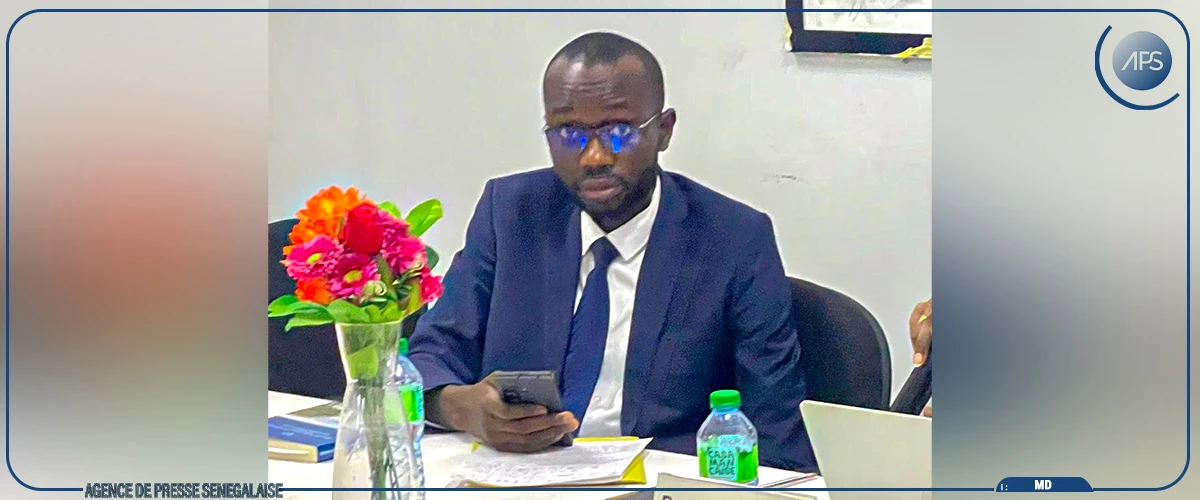
Professor Moustapha Fall presented a mixed assessment of the fight against impunity during a panel discussion in Dakar. He highlighted universal jurisdiction and the Malabo Protocol as significant reasons for optimism regarding international criminal justice. Professor Fall's remarks suggest that while challenges persist in combating impunity, these legal frameworks provide pathways for accountability. The discussion likely delved into the practical application and potential effectiveness of these mechanisms in addressing international crimes. The Malabo Protocol, specifically, aims to strengthen the African Court of Justice and Human Rights, potentially expanding its criminal jurisdiction. Universal jurisdiction allows national courts to prosecute certain international crimes regardless of where they were committed or the nationality of the perpetrators or victims. Professor Fall's perspective indicates a belief in the evolving capacity of the international legal system to deliver justice.
The discourse on universal jurisdiction and specialized protocols like the Malabo Protocol reflects a global effort to strengthen international accountability mechanisms. These legal instruments are designed to address jurisdictional gaps and combat impunity for grave international crimes. However, their effectiveness hinges on consistent political will, robust enforcement capabilities, and adequate resource allocation by states. The ongoing challenge lies in balancing national sovereignty with the imperative of international justice, ensuring that these frameworks do not become mere aspirational tools but are practically implemented to deter future atrocities and provide redress for victims. Future developments will likely focus on enhancing cooperation between national judiciaries and international tribunals, as well as adapting these legal principles to the evolving nature of global conflict and crime in the digital age.
AI-generated to prompt reflection — not editorial opinion, not advice, not a statement of fact. How this works.