Universities Urged to Foster Year-Round Industry Partnerships
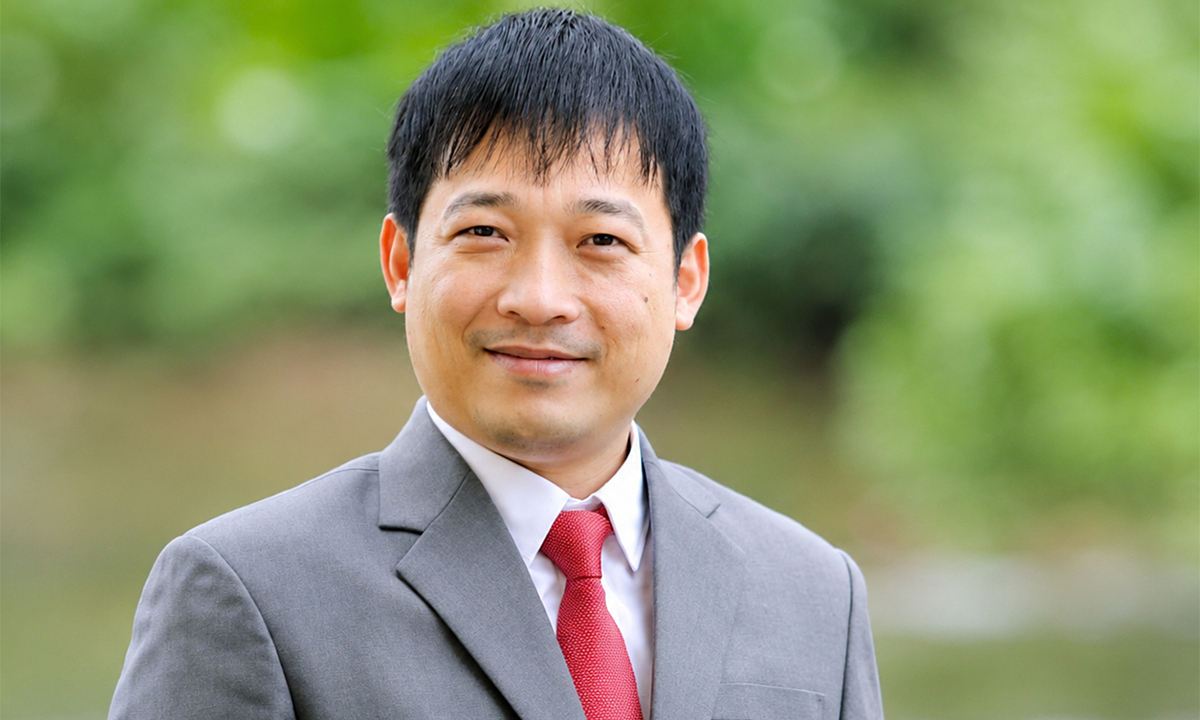
To prevent businesses from only engaging with universities during recruitment seasons, institutions must adopt more open models that offer mutual benefits. Associate Professor Dr. Phùng Trung Nghĩa suggests that universities need to proactively create frameworks that encourage consistent collaboration with the corporate sector. This approach aims to bridge the gap between academic learning and industry needs throughout the year, rather than just at the end of academic cycles. Such initiatives could include joint research projects, internships offered outside of peak hiring times, and continuous curriculum development informed by industry trends. By fostering these ongoing relationships, universities can better prepare students for the workforce and ensure their programs remain relevant. Furthermore, businesses can gain earlier access to talent and innovative ideas, potentially improving their competitiveness. Dr. Nghĩa's proposal emphasizes a strategic shift towards sustained engagement, moving beyond the traditional, limited interaction tied solely to recruitment drives. This would involve a more integrated approach where industry input is a constant factor in academic planning and student development.
The current model of university-industry engagement, largely confined to recruitment periods, suggests a transactional rather than a strategic partnership. This episodic interaction may lead to curricula that are slow to adapt to rapidly evolving industry demands, potentially impacting graduate employability and innovation. Universities could explore incentive structures that reward continuous industry collaboration, such as joint research funding or shared intellectual property agreements. This would align institutional goals with market needs more effectively, fostering a dynamic ecosystem where knowledge creation and application are ongoing processes. Over the next decade, as AI accelerates technological change, the imperative for agile, year-round collaboration between academia and industry will become even more critical for maintaining a competitive edge and preparing the future workforce.
AI-generated to prompt reflection — not editorial opinion, not advice, not a statement of fact. How this works.