University Athlete Dyogo Carneiro Dies at 23 After Rare Aortic Condition
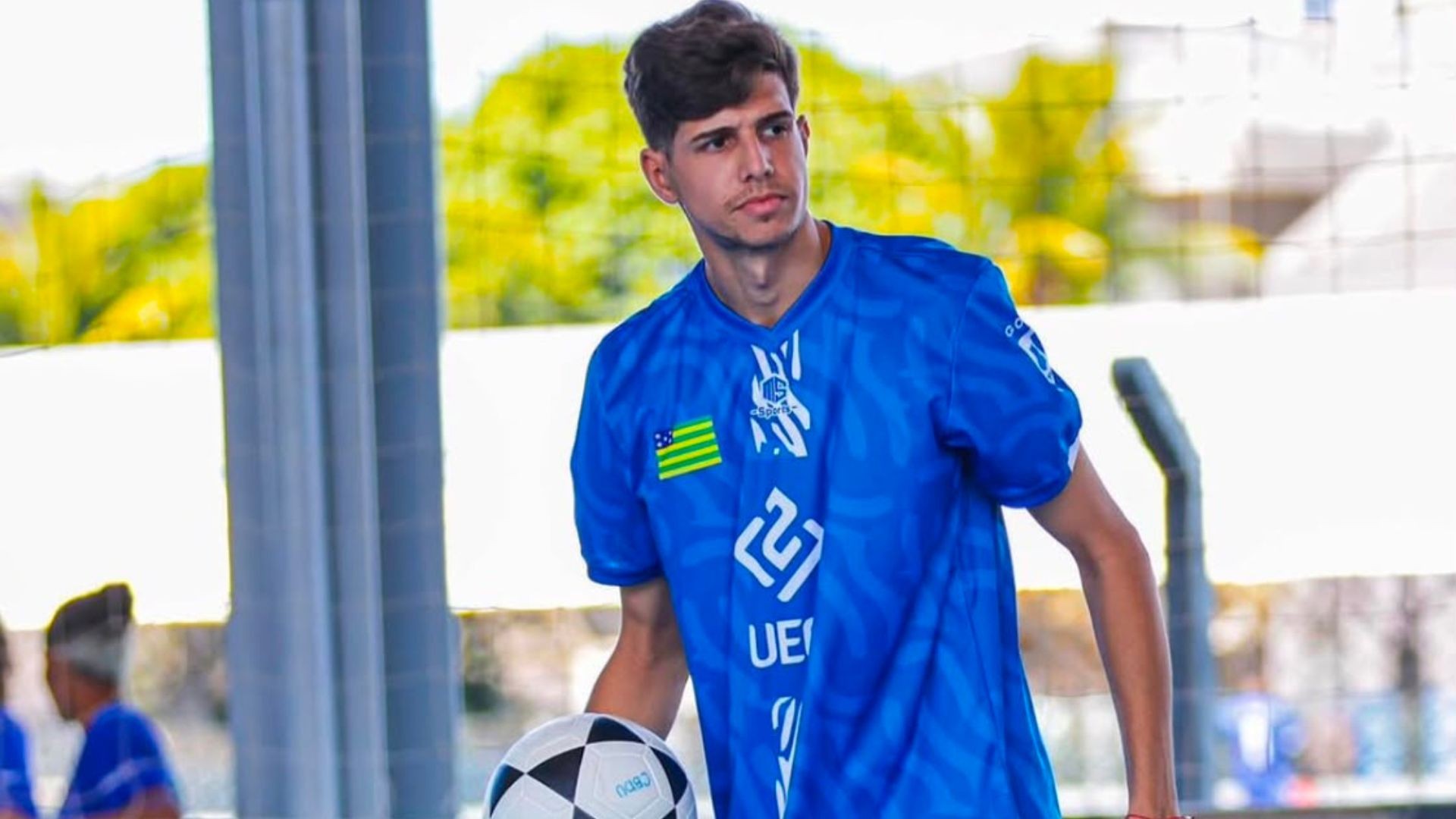
Dyogo Carneiro do Carmo, a 23-year-old athlete and student at the State University of Goiás (UEG), has died in Goiânia following a rare medical complication. Lusimar Santos, president of the Goiana Federation of University Sports (FGDU), reported that Dyogo was diagnosed with acute aortic dissection, a severe condition involving a tear in the inner layer of the aorta that requires immediate medical attention and carries a high risk of complications. Dyogo had fallen ill on Sunday, August 26th, and was hospitalized with hypoxia before the aortic dissection diagnosis. He underwent surgery, but unfortunately succumbed to complications from the procedure on Saturday, September 1st. Dyogo was a dedicated member of the Atlética Hipertensa sports club since 2021, where he was recognized for his passion, leadership, and commitment. The club highlighted his role in numerous victories at University Games and his leadership in rebuilding the athletic association, elevating its profile nationally. Both the FGDU and Atlética Hipertensa expressed profound sorrow over his passing, offering condolences to his family and friends. The FGDU issued a statement emphasizing their deep regret and solidarity with those who knew Dyogo, wishing them strength during this difficult time.
The tragic passing of Dyogo Carneiro underscores the critical importance of rapid diagnosis and intervention for acute aortic dissection, a rare but life-threatening condition. While medical professionals provided immediate care and surgical intervention, the outcome highlights the inherent risks associated with such severe vascular events. This case serves as a somber reminder of the unpredictable nature of certain medical emergencies, even in young, otherwise healthy individuals. Future considerations might involve exploring advancements in early detection or non-invasive monitoring for at-risk populations, though the rarity of the condition presents challenges for widespread screening. The focus remains on optimizing emergency response protocols and surgical outcomes within the current medical landscape.
AI-generated to prompt reflection — not editorial opinion, not advice, not a statement of fact. How this works.