University Engineering Programs Often Fail to Equip Graduates with Practical Making Skills
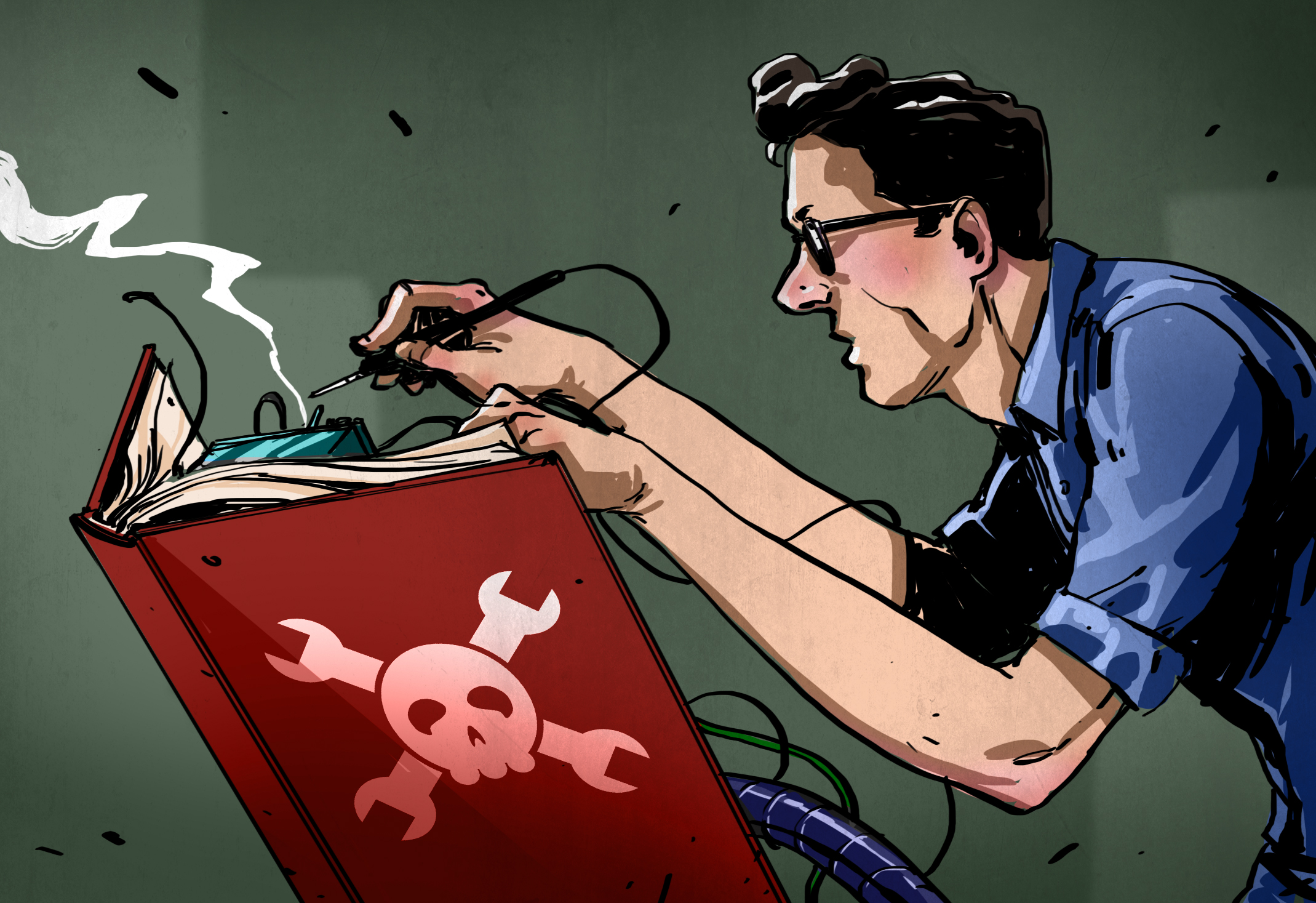
A recent discussion during a European heatwave highlighted a significant gap in university engineering education: the lack of practical 'making' skills. The author, reflecting on their own university experience, suggests that while engineering programs excel at theoretical knowledge and complex problem-solving, they often fall short in teaching students how to physically build, design, and create tangible objects. This deficiency can leave graduates unprepared for roles that require hands-on fabrication and prototyping. The conversation with a university friend underscored the sentiment that formal engineering curricula may not adequately bridge the divide between abstract concepts and real-world application. Consequently, individuals may possess a strong theoretical foundation but struggle with the practical execution of engineering principles. This educational oversight can impact their ability to contribute effectively in industries where direct product development and manufacturing are central. The article implies a need for engineering institutions to re-evaluate their curricula to incorporate more hands-on, project-based learning that emphasizes the entire design-to-production lifecycle. Such an adjustment could better prepare students for the demands of the modern engineering landscape.
The disconnect between theoretical engineering education and practical 'making' skills suggests a systemic challenge in translating academic knowledge into tangible innovation. Modern engineering curricula, while robust in foundational science and complex modeling, may require a recalibration to integrate hands-on fabrication and prototyping more effectively. This could involve fostering stronger ties with industry, emphasizing project-based learning, and encouraging a maker mindset from the outset. As AI and automation continue to reshape manufacturing and design, equipping future engineers with both deep theoretical understanding and practical dexterity will be crucial for their adaptability and contribution to technological advancement. The focus should be on cultivating versatile problem-solvers capable of navigating the entire innovation pipeline, from concept to creation.
AI-generated to prompt reflection — not editorial opinion, not advice, not a statement of fact. How this works.