University Lecturer Uses 'Anh-Em' (Brother-Sister) Address with Students
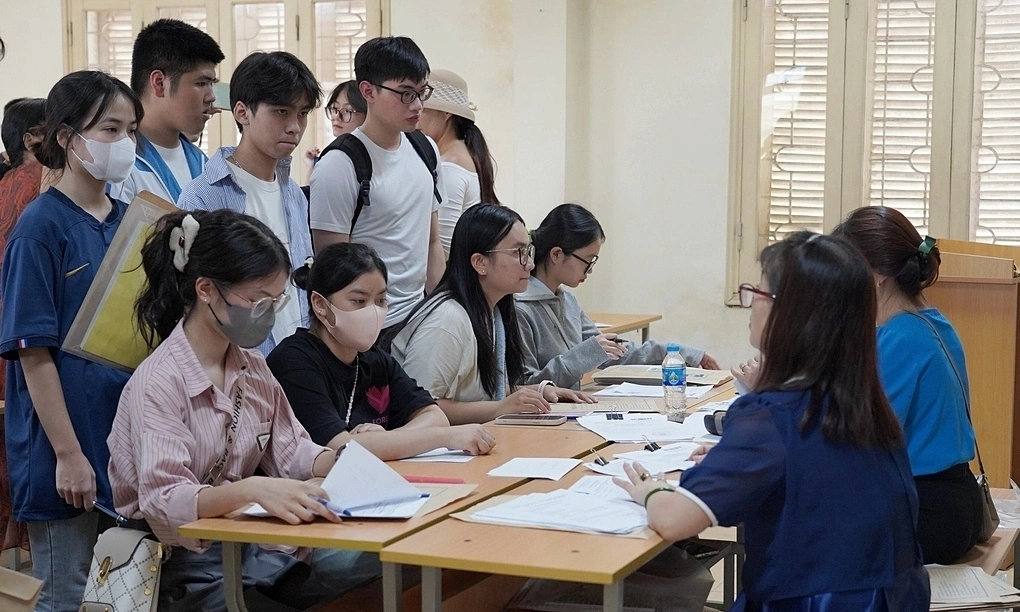
A university lecturer in Vietnam has revealed that they sometimes address their students using the informal 'anh-em' (brother-sister) terms. The lecturer explained that this practice stems from the belief that students will eventually become colleagues in a few years. This informal address is a reflection of a desire to foster a closer, more collegial relationship with students, anticipating their future professional roles. The lecturer admitted to occasionally slipping into this mode of address, indicating a blurring of the lines between instructor and peer. This approach suggests a pedagogical philosophy that values camaraderie and future professional integration over strict hierarchical distance. The practice highlights a nuanced aspect of Vietnamese social and professional etiquette, where familial and peerage terms can sometimes extend beyond immediate family or peer groups.
The lecturer's use of 'anh-em' with students reflects a pedagogical approach that prioritizes fostering collegiality and anticipating future professional relationships. This method challenges traditional hierarchical structures in academia, suggesting an incentive to create a more collaborative and less formal learning environment. While intended to build rapport, this practice could also introduce complexities in maintaining professional boundaries and ensuring equitable treatment among students. From a systems perspective, such informalities might be viewed through the lens of evolving cultural norms in professional settings, particularly in fields where close collaboration is paramount. The long-term impact on student perception of authority and professional conduct warrants consideration as educational institutions adapt to changing societal expectations.
AI-generated to prompt reflection — not editorial opinion, not advice, not a statement of fact. How this works.