University of Antioquia Regains Autonomy After State Intervention, Secures Permanent Budget
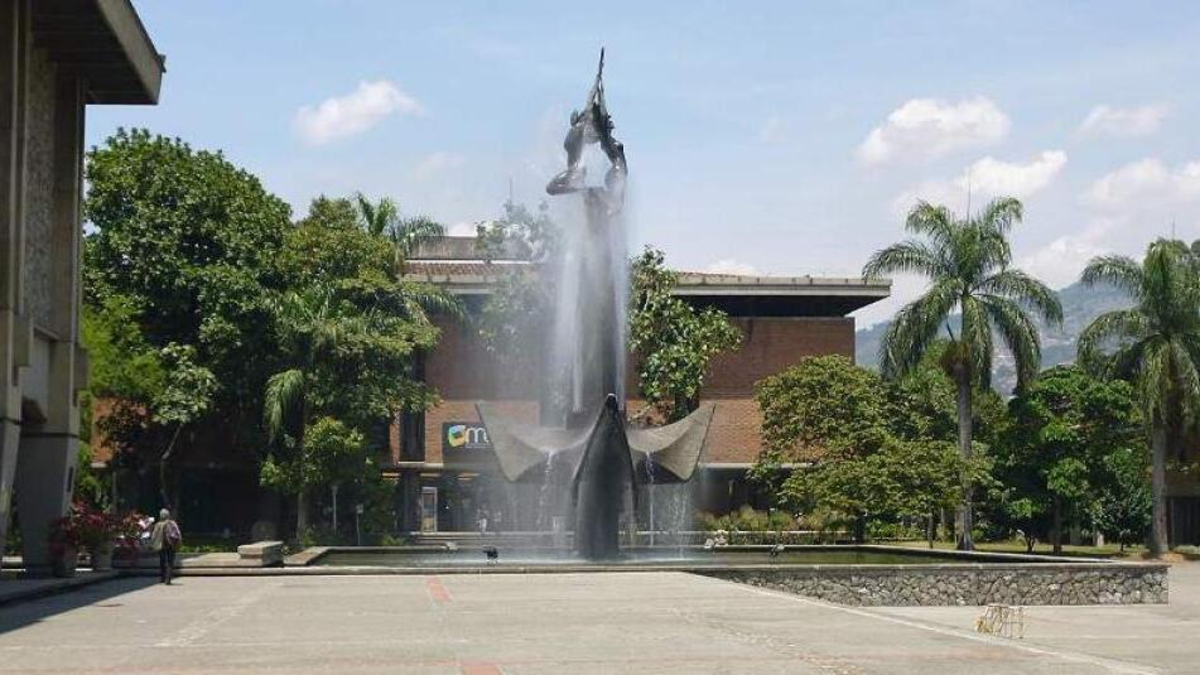
The University of Antioquia has regained full autonomy after a year of strict state oversight. The Colombian government has lifted its intervention, which was imposed due to a severe financial crisis. This move signifies a major step towards overcoming the institution's desfinancing issues. The university has also secured a permanent budget, ensuring recurrent resources to address its financial shortcomings. This permanent budget is intended to safeguard the university's financial stability moving forward. The intervention period, lasting approximately one year, aimed to bring the "Alma Máter" under control and resolve its fiscal problems. The lifting of the intervention means the university can now operate independently again. The permanent budget commitment from the government is expected to provide a lasting solution to the funding challenges that have plagued the institution.
The Colombian government's decision to lift the intervention at the University of Antioquia and permanently secure its budget suggests a shift in state strategy towards institutional stability. This move could reflect a recognition of the long-term value of autonomous academic institutions and the potential negative impacts of prolonged state control on their operational effectiveness and academic freedom. The permanent budget mechanism aims to preempt future financial crises by establishing a predictable funding stream, a governance approach that may serve as a model for other public universities facing similar challenges. This development warrants observation to assess its impact on the university's academic output, research capacity, and overall contribution to national development in the coming decade, particularly in light of evolving technological and societal needs.
AI-generated to prompt reflection — not editorial opinion, not advice, not a statement of fact. How this works.