University of Canterbury Research: Rising Deer Populations Threaten Native Forest Ecosystems
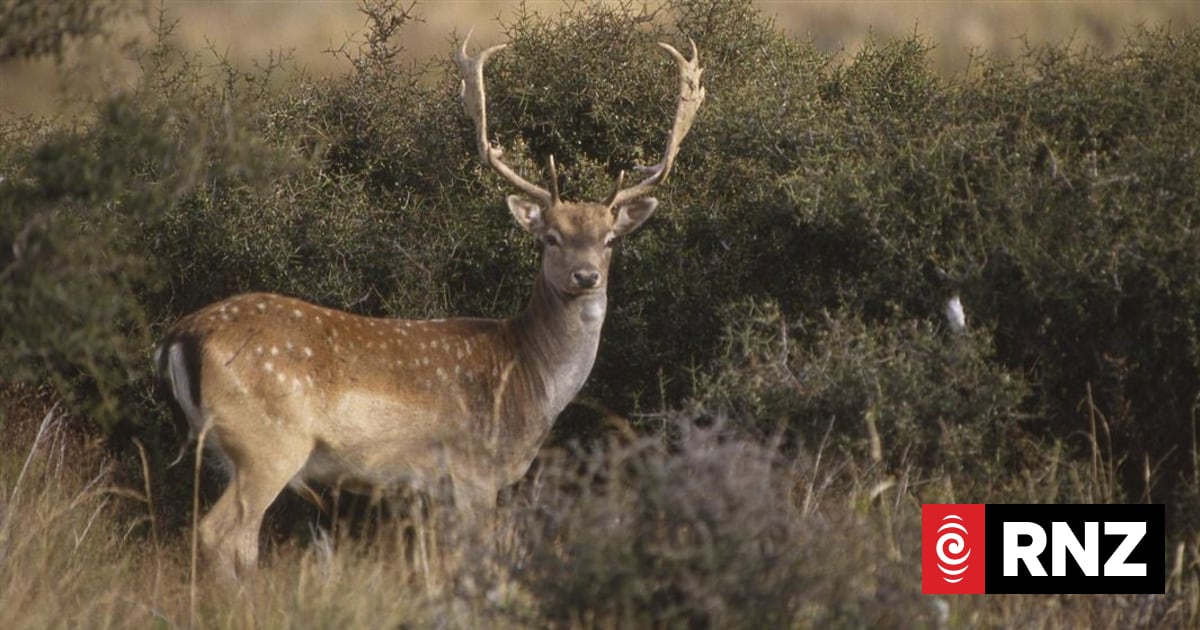
A new paper released today by the University of Canterbury reveals that increasing deer populations are significantly impacting native forests. The research indicates that these growing numbers of deer are depleting essential food sources within the forests. This depletion directly harms the broader forest ecosystems that rely on these resources for survival. The study highlights a critical imbalance caused by the deer, leading to a decline in the health and biodiversity of these natural environments. The findings underscore the urgent need to address the escalating deer numbers to protect the integrity of New Zealand's native forests. The research provides a stark warning about the cascading effects of unchecked invasive species on delicate ecological balances. Without intervention, the long-term viability of these forest ecosystems is at risk.
The University of Canterbury's research highlights a common ecological challenge where increased populations of introduced species, such as deer, can disrupt native ecosystems. The study points to a direct correlation between deer numbers and the degradation of forest food sources, suggesting an imbalance in the food web. This situation raises questions about wildlife management strategies and the long-term sustainability of native biodiversity in the face of invasive species pressures. Future management approaches may need to consider more proactive measures to maintain ecological equilibrium and prevent the cascading negative effects observed in this research, particularly as environmental conditions evolve.
AI-generated to prompt reflection — not editorial opinion, not advice, not a statement of fact. How this works.