University of Kassel Debates Civilian Clause Amidst Protest Against Easing
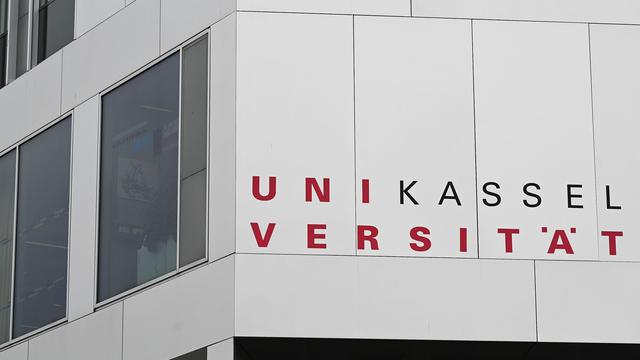
The University of Kassel is currently engaged in a debate surrounding its "civilian clause," a policy that restricts research with military applications. The discussions come as there are concerns about a potential easing or loosening of these restrictions. Student and faculty groups have organized protests to voice their opposition to any relaxation of the current regulations. They argue that the civilian clause is crucial for maintaining the university's commitment to peace and non-violence. The protests highlight a deep division within the university community regarding the ethical implications of defense-related research. Supporters of the clause emphasize its role in preventing the misuse of academic findings for harmful purposes. Conversely, those advocating for a review of the clause may point to the need for universities to contribute to national security or to engage in cutting-edge research that could have dual-use applications. The outcome of these deliberations is expected to significantly shape the future direction of research policies at the University of Kassel and potentially influence similar institutions.
The debate at the University of Kassel over its civilian clause reflects a broader societal tension between academic freedom, ethical research practices, and national security imperatives. As artificial intelligence and advanced technologies increasingly blur the lines between civilian and military applications, universities face complex governance challenges. The core issue lies in balancing the potential benefits of research, which could contribute to defense capabilities or technological advancement, against the risks of contributing to conflict or human suffering. Future-oriented academic institutions must develop robust frameworks that allow for critical examination of research funding and applications, fostering transparency and public accountability. This situation presents an opportunity for the university to proactively define its role in a rapidly evolving technological landscape, considering the long-term societal impact of its research endeavors.
AI-generated to prompt reflection — not editorial opinion, not advice, not a statement of fact. How this works.