University of Minnesota Scientists Develop First Synthetic Cell Capable of Completing Life Cycle
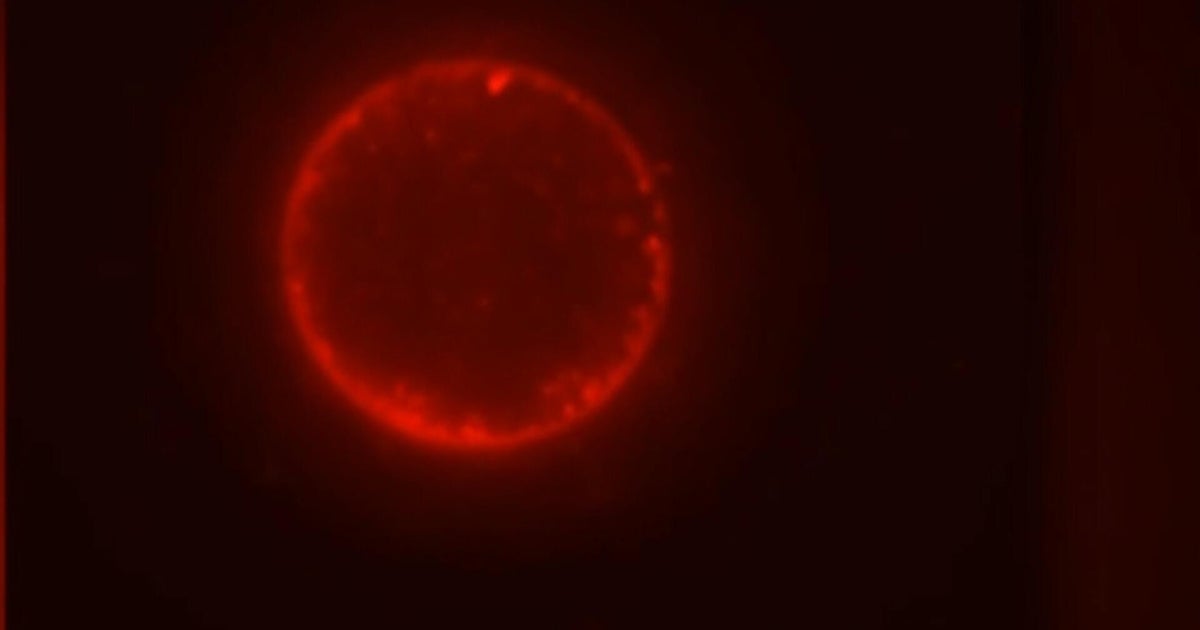
Researchers at the University of Minnesota have announced a significant scientific breakthrough: the creation of the first synthetic cell that can successfully complete its entire life cycle. This achievement marks a pivotal moment in the field of synthetic biology. Professor Kate Adamala, a key figure in the project and co-founder of the company Biotic, shared details about this groundbreaking development in a discussion with CBS News. The ability of a synthetic cell to replicate and go through all stages of a life cycle, similar to natural organisms, opens up new avenues for scientific exploration and potential applications. This work could pave the way for advancements in medicine, materials science, and other fields.
This development in synthetic cell technology represents a significant step toward understanding and potentially engineering biological systems. The ability to create a self-replicating synthetic cell raises profound questions about the definition of life and the ethical considerations surrounding artificial biological constructs. From a systems perspective, this achievement could unlock novel approaches to drug delivery, biomanufacturing, and environmental remediation by creating tailored biological agents. However, it also necessitates robust governance frameworks to address potential risks, including unintended ecological consequences and biosecurity concerns. The long-term implications will depend on how effectively these synthetic systems can be controlled and integrated into existing biological and industrial landscapes.
AI-generated to prompt reflection — not editorial opinion, not advice, not a statement of fact. How this works.