University of Tokyo Affiliate Misappropriates ¥90 Million for Fictitious Subcontracts
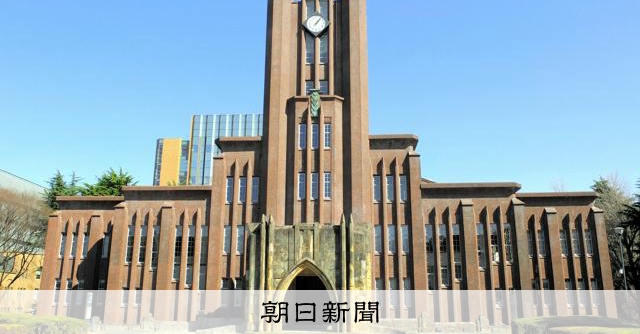
An executive at an organization affiliated with the University of Tokyo has been found to have misappropriated approximately 90 million yen. The funds were allegedly diverted through fictitious subcontracting for the operation of research groups and other activities. The investigation revealed that the executive created false invoices and payments for services that were never rendered. This misuse of funds came to light during an internal audit conducted by the affiliated organization. The University of Tokyo has stated that it is cooperating fully with the investigation into the matter. The affiliated organization is reportedly taking steps to recover the misappropriated funds and has implemented stricter financial oversight measures. The executive involved has been dismissed from their position. Further details regarding the specific nature of the "research group operations" and the entities that were allegedly subcontracted are expected to emerge as the investigation progresses. The incident raises concerns about the financial governance and internal controls within organizations associated with major academic institutions.
This incident highlights potential vulnerabilities in financial oversight within university-affiliated organizations, particularly concerning the management of research funds and subcontracting processes. The alleged misappropriation of 90 million yen through fictitious subcontracts suggests a breakdown in internal controls and due diligence. Moving forward, such entities may need to adopt more robust auditing protocols, enhanced transparency in procurement, and clearer lines of accountability for financial transactions. The long-term implications could involve increased scrutiny from funding bodies and regulatory agencies, potentially leading to more stringent compliance requirements for all academic and research institutions to safeguard public and private funds.
AI-generated to prompt reflection — not editorial opinion, not advice, not a statement of fact. How this works.