University of Tokyo Researchers Identify Brain Circuitry Behind Disliking Friends in Mice
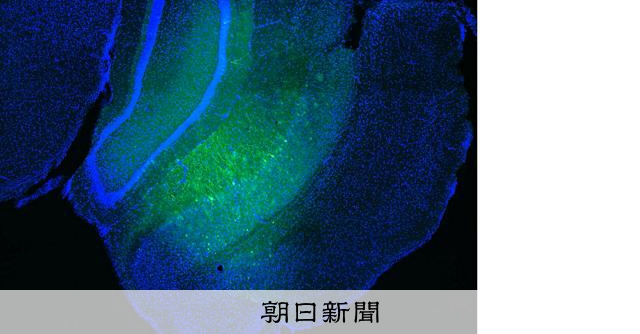
Researchers at the University of Tokyo have identified specific neural circuits in the brain responsible for feelings of dislike towards friends. The study, conducted using experiments on mice, aimed to understand the biological mechanisms underlying the shift from positive social bonds to aversion. By observing the mice's behavior and neural activity, the scientists were able to pinpoint the brain pathways involved in this emotional transition. This groundbreaking research sheds light on the complex interplay between social relationships and brain function. Understanding these circuits could have implications for treating social disorders and understanding the evolution of social behavior. The findings were published by the University of Tokyo research team.
This research into the neural basis of social aversion in mice offers a scientific lens on a fundamental aspect of social dynamics. By mapping specific brain circuits, scientists are moving beyond anecdotal understanding of interpersonal relationships to identify biological correlates of emotional shifts. Such work could inform therapeutic strategies for conditions characterized by social withdrawal or impaired social cognition, by targeting the identified neural pathways. Furthermore, understanding the biological underpinnings of social bonding and its dissolution may provide insights into the evolutionary pressures that shaped complex social structures in mammals, including humans. The challenge ahead lies in translating these findings from rodent models to human behavior, considering the vastly more complex cognitive and emotional landscape of human social interaction.
AI-generated to prompt reflection — not editorial opinion, not advice, not a statement of fact. How this works.