University Students Die in Motorcycle Collision on BR-101 in Santa Catarina
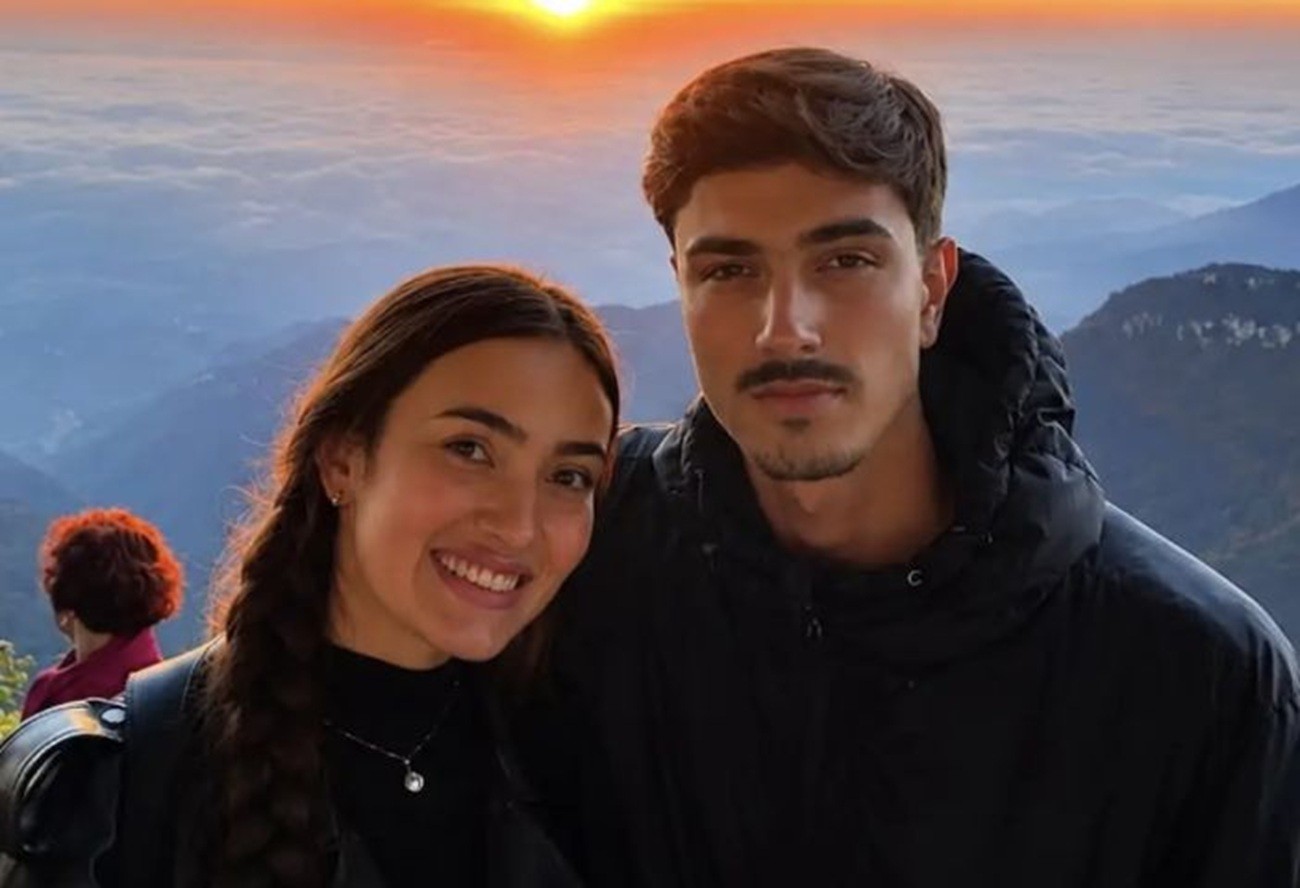
A tragic accident on the BR-101 highway in Içara, southern Santa Catarina, resulted in the deaths of a young couple, both 20 years old, on Saturday, May 25th. Cristian Bittencourt Esmeraldino and Maria Eduarda Muraro were university students at Unisul's Tubarão campus. They were traveling together on a Suzuki motorcycle when it collided with a Yamaha motorcycle carrying another couple. Cristian, who was studying law, and Maria Eduarda, a nutrition student, were both killed in the crash. The university confirmed their identities and issued statements expressing deep sorrow and solidarity with their families and friends, noting the academic community was in mourning. Maria Eduarda was remembered for her dream of caring for others through nutrition. The other couple involved sustained injuries and received medical attention at the scene. The collision occurred around 3 PM in the Vila Esperança neighborhood. Firefighters found Cristian deceased upon arrival. Maria Eduarda was transported to a hospital but succumbed to her injuries. The 21-year-old driver of the second motorcycle was found conscious with leg injuries. The couple was buried on Sunday, May 26th, in Tubarão. As of Monday, May 27th, the Civil Police had not yet responded regarding an investigation into the incident.
This incident highlights the inherent risks associated with motorcycle travel, particularly on high-speed highways. The loss of two young lives underscores the importance of road safety education and enforcement. While the immediate focus is on the tragic loss, a broader consideration involves examining factors contributing to such accidents, including road infrastructure, vehicle maintenance, and driver behavior. Future analysis could explore the effectiveness of current safety regulations for motorcyclists and the potential impact of advanced driver-assistance systems, even on motorcycles, in mitigating such devastating outcomes. The investigation by the Civil Police will be crucial in determining the specific causes and potentially informing future preventative measures.
AI-generated to prompt reflection — not editorial opinion, not advice, not a statement of fact. How this works.