Unlikely Nation Emerges as Global Leader in High-Speed Rail Development
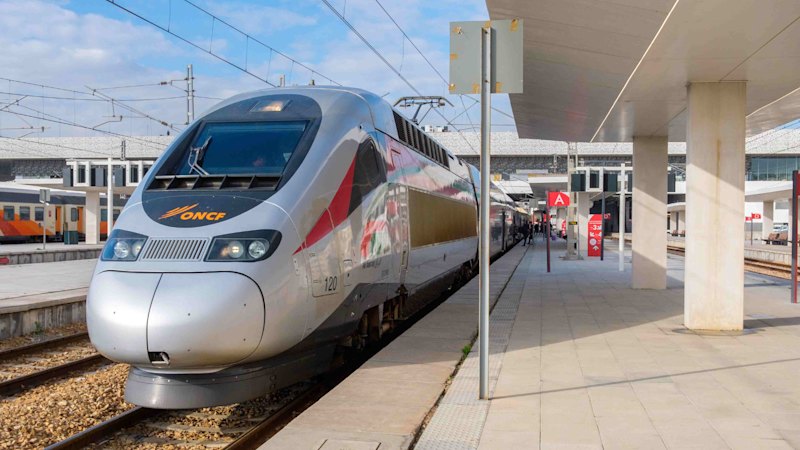
A nation, not typically associated with high-speed rail advancements like China or European countries, is set to become a global leader in rail travel. By the year 2030, an impressive 630 kilometers of high-speed railway track will be operational. This extensive network is poised to transform the country into one of the premier destinations worldwide for rail-based tourism. The development signifies a significant shift in infrastructure priorities and presents a unique opportunity for the nation to capitalize on its evolving transportation landscape. This ambitious project underscores a commitment to modernizing public transport and enhancing connectivity for both domestic and international travelers. The completion of this network will likely influence future infrastructure investments and tourism strategies.
The strategic investment in extensive high-speed rail infrastructure by this nation, positioning it as a global leader by 2030, suggests a forward-thinking approach to national development and tourism. This initiative could be driven by a desire to diversify economic drivers, reduce reliance on other transport modes, and enhance internal connectivity. The long-term implications may include significant boosts to regional economies, shifts in population distribution, and a redefinition of domestic travel patterns. Evaluating the project's sustainability, funding models, and integration with existing transport systems will be crucial for its enduring success. Furthermore, this development could serve as a benchmark for other nations considering similar large-scale infrastructure projects in the coming decade.
AI-generated to prompt reflection — not editorial opinion, not advice, not a statement of fact. How this works.