Unprecedented Japan-US Currency Intervention: Background, Future, and Euro Weakness
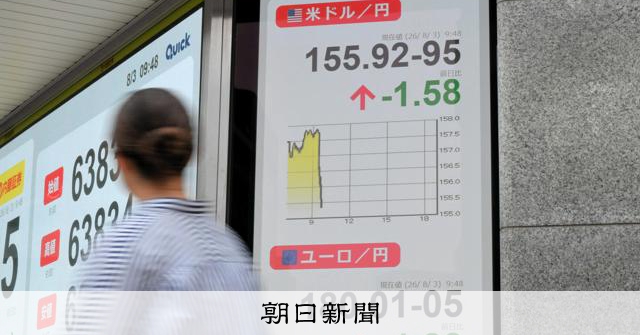
Japan and the United States have conducted an unusual joint intervention in the currency markets. This action is a significant departure from typical policy, prompting questions about its underlying causes and future implications. The intervention specifically targeted the weakening yen, suggesting concerns about its rapid depreciation against major global currencies. Analysts are examining the specific economic conditions and policy objectives that led to this coordinated move. The intervention also coincides with a notable sell-off in the euro, leading to discussions about the interconnectedness of global currency dynamics. Experts are weighing in on the potential effectiveness of the intervention in stabilizing the yen and its broader impact on international financial markets. The decision to intervene jointly highlights a shared concern between the two nations regarding currency volatility. The market is now focused on whether this intervention will set a precedent for future currency management strategies. Further analysis is expected regarding the long-term consequences for global trade and investment flows.
The joint intervention by Japan and the United States signals a significant shift in currency policy, likely driven by concerns over excessive yen depreciation and its potential impact on economic stability and inflation. This coordinated action suggests a shared recognition of systemic risks in currency markets, moving beyond individual national interests. The intervention's effectiveness will depend on sustained policy alignment and the broader global economic environment. Looking ahead, such coordinated interventions may become a more prominent tool for managing currency volatility in an increasingly interconnected financial system, particularly as central banks navigate diverse economic pressures and the evolving landscape of global trade. The interplay between national economic objectives and international financial stability remains a critical dynamic to monitor.
AI-generated to prompt reflection — not editorial opinion, not advice, not a statement of fact. How this works.
