Unregulated Prediction Markets Pose Challenge to Brazilian Government
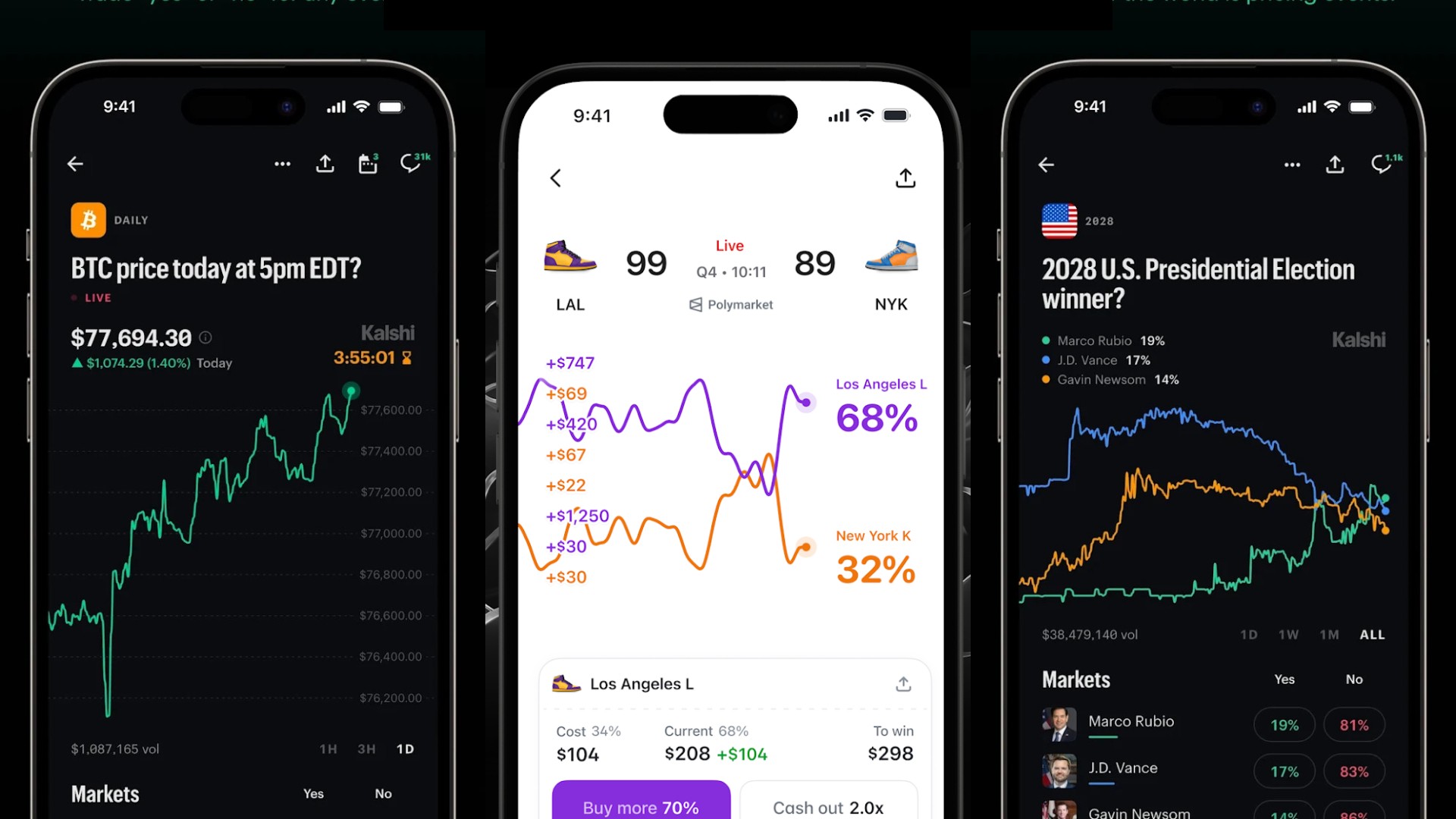
Prediction markets, global platforms where users trade contracts on future events, have emerged as a significant challenge for Brazilian authorities. In April, the government blocked 27 such platforms, including U.S.-based Kalshi and Polymarket, to prevent the proliferation of uncontrolled betting models that bypass national legislation. These markets function like betting exchanges, allowing users to buy and sell contracts based on simple yes/no questions about diverse events such as wars, climate change, or elections. Unlike traditional betting sites where companies set rules, prediction markets facilitate peer-to-peer trading of contracts treated as derivatives. Despite being prohibited, Brazilian users access these platforms using VPNs and cryptocurrencies, bypassing government efforts to monitor Pix transactions common with illegal betting sites. Four platforms were found operating irregularly in Brazil, with some even advertising on Instagram. Meta stated that advertisers need explicit permission and proof of licensing to promote gambling, and governmental bodies can request the restriction of illegal content. Prediction markets gained substantial traction during the U.S. elections and have since seen billions of dollars traded, raising concerns about insider trading, particularly regarding events like U.S. actions in Iran and Venezuela. During the World Cup, these platforms offered bets on match outcomes and player performance, alongside more personalized wagers, such as whether a specific player would play or even cry in public. Analysts predicted up to $10 billion in wagers related to the World Cup on these markets. Enthusiasts argue prediction markets are closer to financial markets than traditional betting, as trading occurs between users, and platforms profit from commissions on trades rather than specific outcomes. However, studies indicate that, similar to betting sites, most users experience losses, with profits highly concentrated among a small percentage of traders. Experts warn that these markets can be highly efficient, making consistent profit nearly impossible for the average person, and may contribute to gambling addiction.
The proliferation of unregulated prediction markets in Brazil highlights a regulatory gap where innovative financial instruments blur the lines with gambling. While proponents argue for their similarity to financial derivatives, the observed concentration of profits and potential for addiction mirror concerns associated with traditional betting. The government's swift action to block platforms indicates a priority to prevent illicit activities, especially concerning elections, and to protect consumers. However, the use of cryptocurrencies and VPNs demonstrates the difficulty in enforcing such bans in a globalized digital environment. Future regulatory approaches may need to consider international cooperation and technological solutions to effectively oversee these markets, balancing innovation with consumer protection and market integrity. The core challenge lies in distinguishing between legitimate speculative trading and unregulated gambling, a distinction that is increasingly complex with evolving digital platforms.
AI-generated to prompt reflection — not editorial opinion, not advice, not a statement of fact. How this works.