UNSW Researchers Develop Soft Robotic Heart for Disease Study and Device Testing
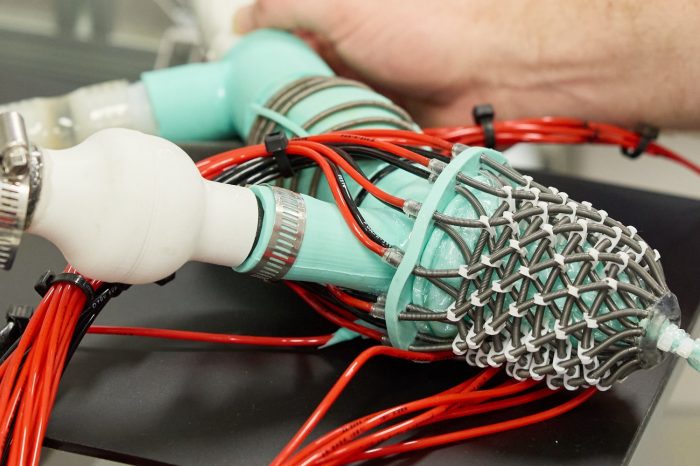
Researchers at UNSW Sydney have created a fully synthetic, soft robotic model of the human heart. This innovative device is designed to accurately mimic cardiac diseases, offering a realistic platform for studying cardiovascular conditions. Beyond disease modeling, the robotic heart provides a crucial environment for testing and validating new generations of cardiac devices before they are used in patients. The development aims to advance the understanding of heart diseases and accelerate the innovation of life-saving medical technologies. The project was conducted at UNSW, with visual documentation provided by UNSW/Richard Freeman.
This soft robotic heart represents a significant advancement in medical simulation, moving beyond rigid models to a more physiologically accurate representation of cardiac function and pathology. By providing a dynamic and adaptable testing ground, it addresses the need for improved preclinical evaluation of cardiac devices, potentially reducing risks associated with human trials and accelerating regulatory approval pathways. The integration of disease mimicry into such a platform could also unlock new avenues for personalized medicine research and therapeutic development, allowing for the study of disease progression and treatment efficacy in a controlled, repeatable environment. This innovation aligns with the broader trend of leveraging advanced robotics and AI for more sophisticated biological and medical research.
AI-generated to prompt reflection — not editorial opinion, not advice, not a statement of fact. How this works.