Unusual Changes in Tulsi Plant May Signal Impending Trouble, According to Vastu.
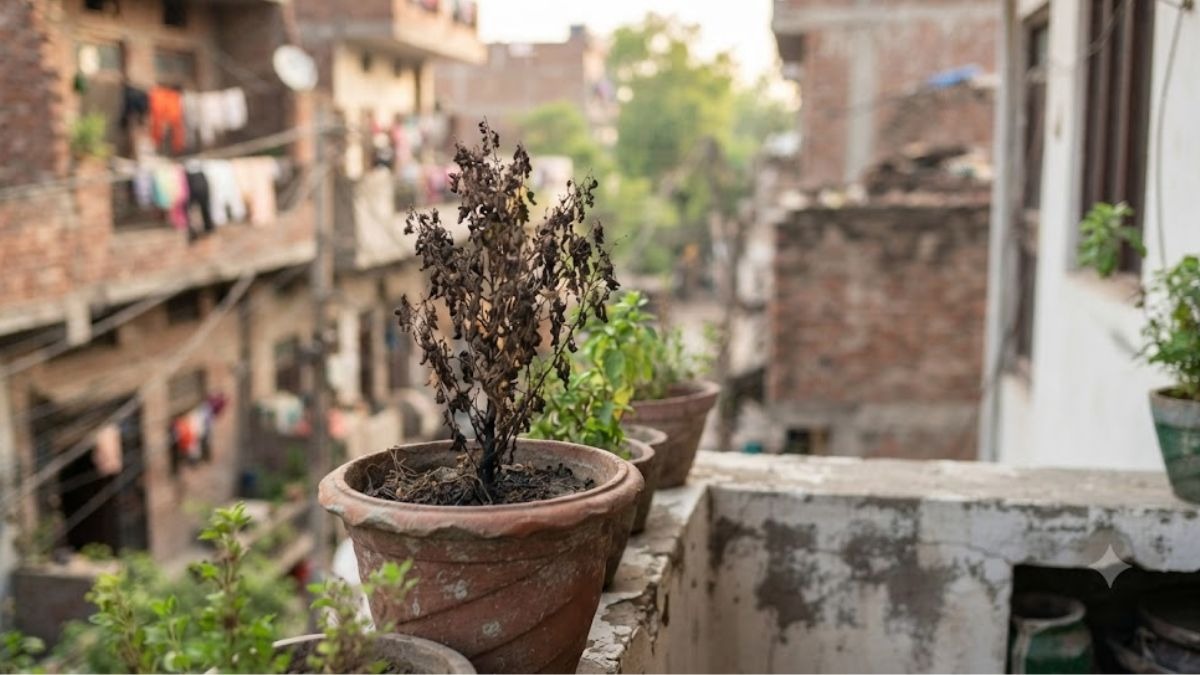
According to Vastu Shastra and astrological beliefs, certain unusual changes in a Tulsi (holy basil) plant may indicate the arrival of significant trouble or financial crisis. Specifically, if the plant suddenly starts to dry out or its leaves turn yellow, it is considered an inauspicious sign. These changes are interpreted as a warning from the Tulsi plant, which is often revered in Indian households. The tradition suggests that the plant can reflect the well-being of the household and may signal impending difficulties. The article aims to provide insights into these negative omens and offer simple remedies to avert them. Understanding these signs is believed to help individuals prepare for and mitigate potential hardships. The focus is on interpreting these natural phenomena within a spiritual and traditional framework.
This interpretation of plant health as a harbinger of financial or personal crisis reflects a cultural belief system where natural elements are imbued with symbolic meaning. From a systemic perspective, the health of a Tulsi plant is directly influenced by environmental factors such as soil quality, water, sunlight, and pest infestation. Attributing these physical changes to supernatural warnings overlooks the practical, biological reasons for plant decline. While these beliefs can offer psychological comfort by providing a framework for understanding misfortune, they may also distract from addressing the root causes of financial or personal difficulties. Focusing on the tangible aspects of plant care and seeking practical solutions for life's challenges would be a more effective approach than relying on omens.
AI-generated to prompt reflection — not editorial opinion, not advice, not a statement of fact. How this works.