Unusual Egg-Within-an-Egg Phenomenon Observed in Brazil
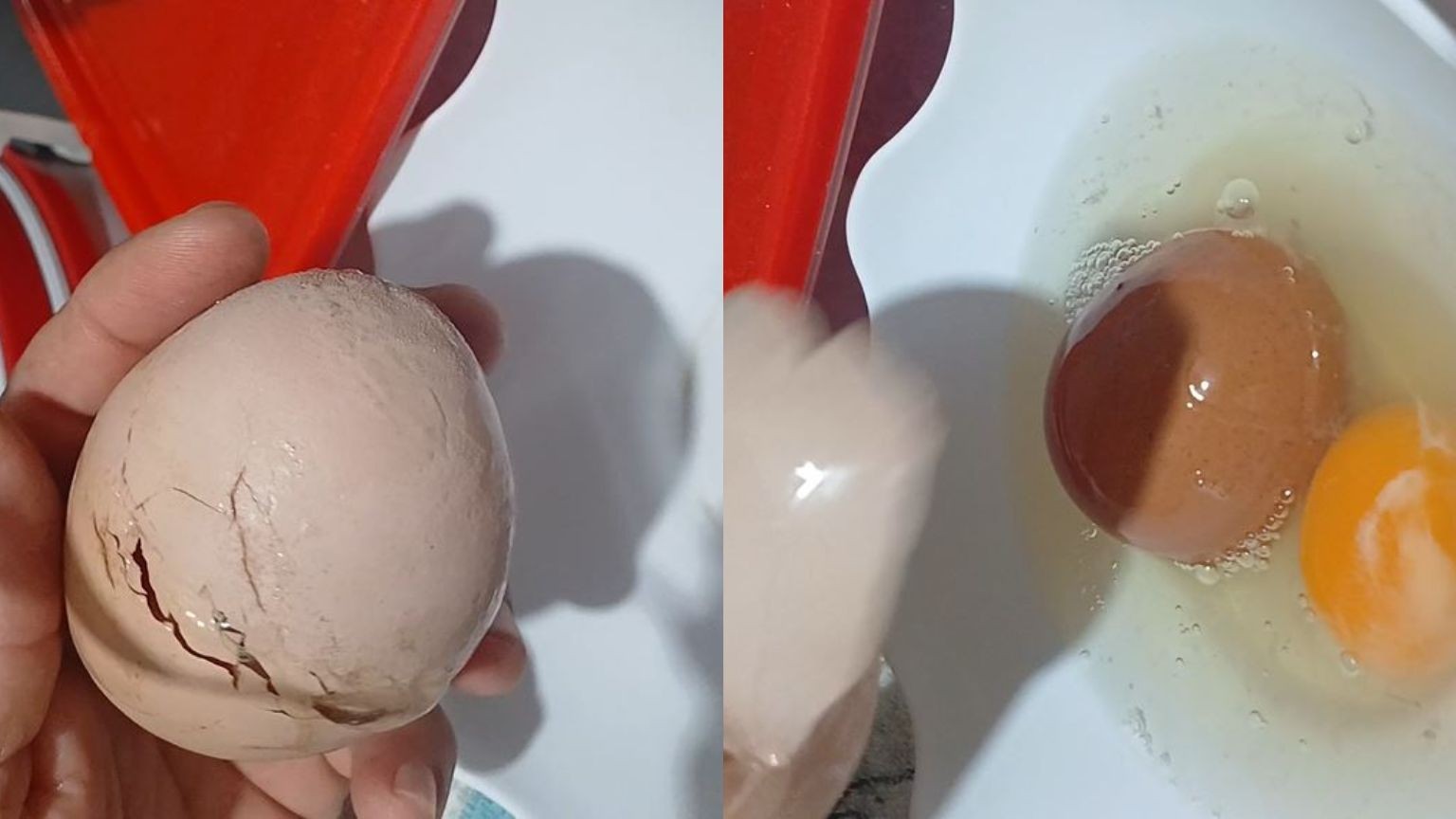
A resident of Campo Redondo, in the Agreste region of Rio Grande do Norte, Brazil, experienced a peculiar surprise when cracking a 160-gram chicken egg. Mario Roberto da Silva discovered not only a yolk but also a second, fully formed egg inside the first. Upon opening the inner egg, he found yet another yolk. Ornithologist João Damasceno explained that this rare phenomenon, known as an egg within an egg, occurs due to an alteration in the egg's movement during its formation within the hen. Typically, a yolk forms in the ovary and travels through ducts to the uterus, where it gains a membrane that will become the shell. However, in this anomaly, the developing egg experiences reverse movements, returning to the oviduct. It can then be engulfed by a larger, also developing egg. Subsequently, the shell forms, normal movement resumes, and the double egg is expelled. Damasceno stated that while uncommon, this occurrence can be influenced by various factors. These include excessive protein in the hen's diet, a very poor diet, or even stress, all of which can disrupt the reproductive system's normal functioning and lead to an egg forming inside another.
The observation of an egg within an egg highlights the inherent variability and adaptability within biological systems. While presented as a curiosity, such anomalies can signal underlying systemic stresses or nutritional imbalances in poultry farming. Understanding the triggers, such as dietary fluctuations or environmental stressors, offers opportunities to optimize animal welfare and production efficiency. In the context of future food systems, where resource optimization and resilience are paramount, analyzing these biological deviations can provide insights into more robust and sustainable agricultural practices. This phenomenon underscores the importance of monitoring animal health and environmental conditions to ensure consistent output and prevent potential disruptions.
AI-generated to prompt reflection — not editorial opinion, not advice, not a statement of fact. How this works.