Unusual Household Items That Can Disrupt Your Wi-Fi Signal
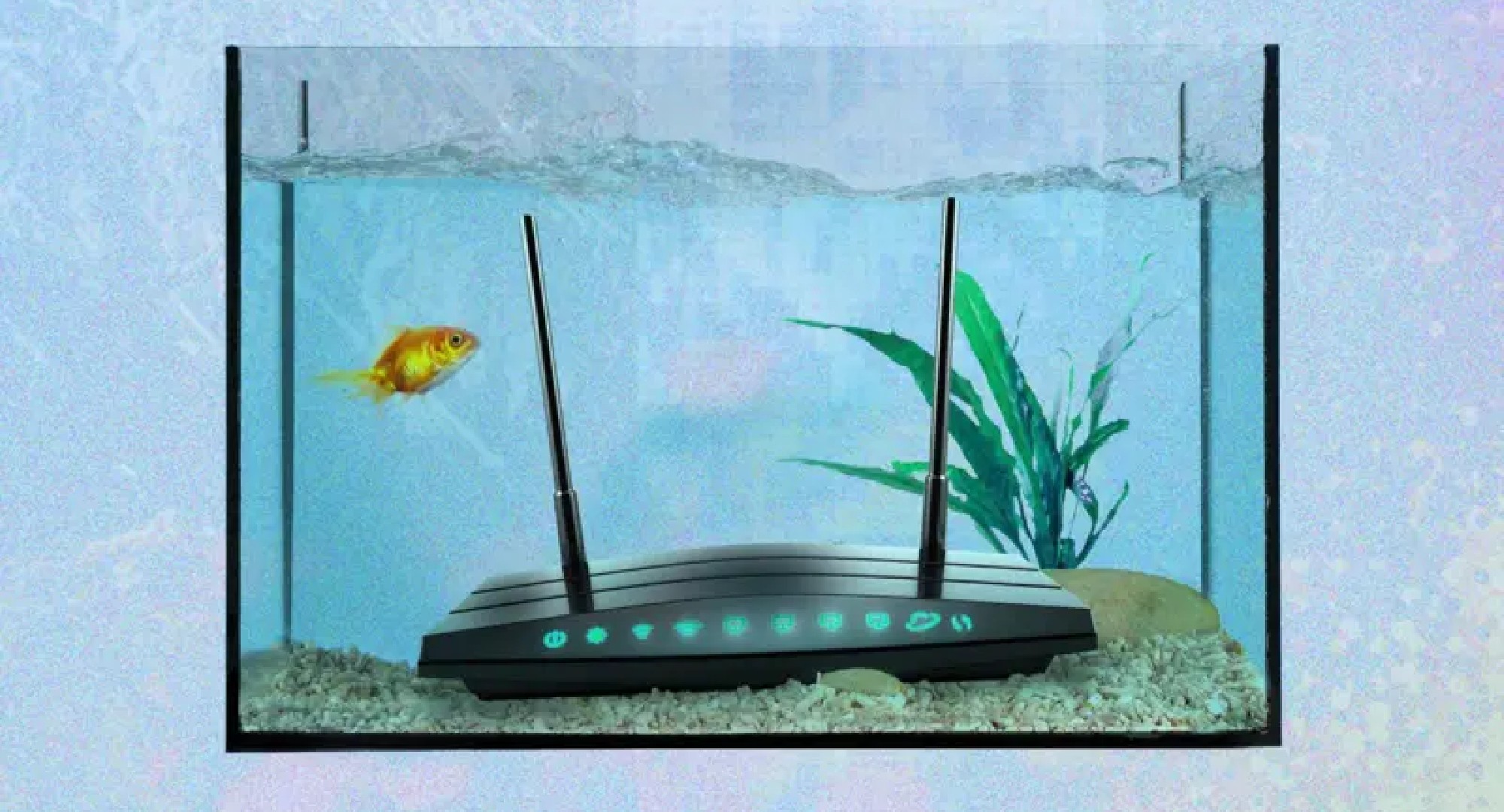
Alex Hills, a pioneer in Wi-Fi technology and author of "Wi-Fi and the Bad Boys of Radio," identifies various unexpected objects and phenomena that can degrade wireless internet connections. These "bad boys" can interfere with Wi-Fi signals, impacting everyday use. Some common culprits are predictable, like thick walls, but others are surprisingly unusual. Identifying these obstacles can significantly improve Wi-Fi performance and offer a new perspective on this essential technology.
Microwave ovens, which operate on the 2.4 GHz frequency commonly used by Wi-Fi and Bluetooth devices, can cause interference. While modern microwaves are better shielded, older or damaged units, or opening the door prematurely, can still leak radio waves. Similarly, fluorescent lights and car ignition systems can emit disruptive frequencies. Water in aquariums can also weaken Wi-Fi signals by absorbing radio wave energy, creating a "shadowing" effect between the router and devices. This shadowing is a major issue, with dense materials like brick and concrete posing more significant barriers than wood or drywall.
Reflective surfaces like mirrors, large televisions, and even metal in walls can bounce Wi-Fi signals, causing dead spots. While rain generally doesn't impact Wi-Fi, severe weather like heavy snow or extreme heat can damage network infrastructure or block satellite signals, leading to slower connections. In extreme cases, widespread internet usage during bad weather might be indirectly linked to climate change impacts. Hills, who has experience setting up internet in remote areas, notes that even satellite internet has its own challenges, such as snow-covered satellite dishes requiring manual clearing.
This report highlights how everyday objects and environmental factors can disrupt Wi-Fi, moving beyond typical explanations like router placement. The analysis of microwave ovens, aquariums, mirrors, and weather patterns illustrates the complex interplay between electromagnetic waves and physical environments. It suggests that as our reliance on seamless connectivity grows, understanding these interference sources becomes critical for both individual users and infrastructure providers. The mention of climate change impacting connectivity points to broader systemic challenges that may require proactive infrastructure investment and policy responses to ensure reliable internet access in the future. Users can mitigate some issues through device management and strategic placement, but widespread improvements may necessitate technological advancements and infrastructure resilience planning.
AI-generated to prompt reflection — not editorial opinion, not advice, not a statement of fact. How this works.