Unusual Surge in Fireballs Over North America and Europe Sparks Debate
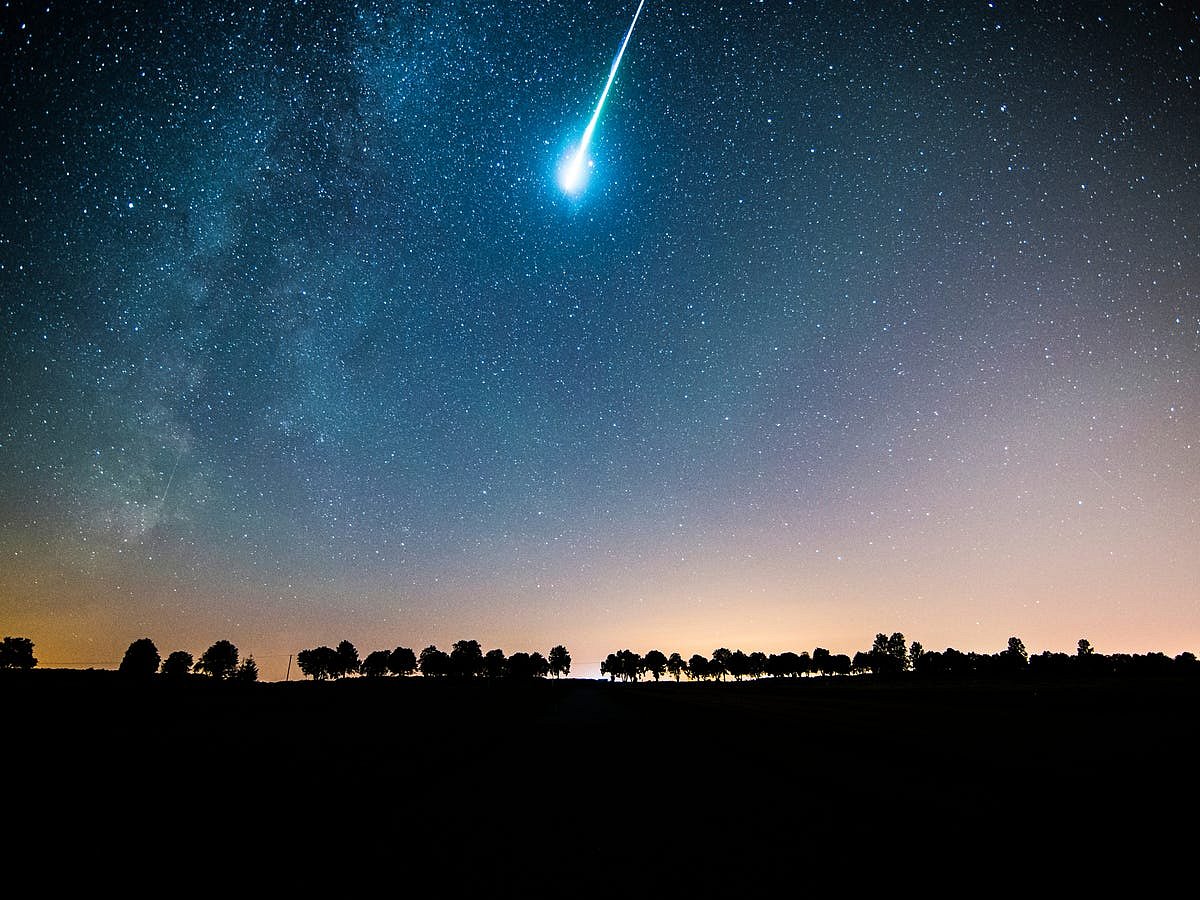
Recent months have seen a notable increase in bright fireballs streaking across the skies of North America and Europe, with some impacting Earth as meteorites. In March alone, the number of reported fireballs was nearly double the average for the first three months of previous years, according to the American Meteor Society. Some of these celestial objects were substantial, with one exploding over Ohio on March 17th with a force equivalent to 370 tons of TNT. Meteor experts like Bill Cook from NASA's Marshall Space Flight Center acknowledge the unusual nature of these events, while the American Meteor Society has been tracking such phenomena using public reports since 2005. While typically meteor showers occur at specific times of the year due to Earth passing through comet debris, the surge in March did not coincide with any scheduled major meteor showers. This has led to scientific debate about the cause of the increased activity. Some researchers, like Dr. Peter Brown from Western University, dismiss theories of a new meteor shower, noting the varied trajectories and speeds of the March fireballs. NASA scientists suggest that increased reporting due to widespread camera technology, including smartphones and dashcams, might be contributing to the perception of more fireballs. They point to a general upward trend in reporting since 2010, suggesting that while there might be a slight increase, it's not as dramatic as it appears. However, others, like meteorite collector Mike Hankey, argue that the surge in reports, particularly the record number of sonic booms in March, indicates a genuine increase in larger meteoroid arrivals, not just better observation. By April, the frequency of these fireballs had significantly decreased, leaving scientists to ponder this temporary cosmic event, likely a natural fluctuation in the distribution of space debris.
The recent increase in observed fireballs presents an opportunity to examine how observational technology and reporting mechanisms influence our perception of natural phenomena. While the data suggests a statistically significant rise in reported events compared to historical averages, attributing this solely to an increase in incoming meteoroids overlooks the substantial impact of ubiquitous recording devices and increased public awareness. This situation highlights a systemic challenge in distinguishing between actual changes in celestial activity and amplified detection. Future analysis of such events should incorporate a comparative framework that rigorously accounts for technological advancements in data acquisition and reporting. Understanding these dynamics is crucial for maintaining objective scientific interpretation and avoiding potential overreactions to perceived anomalies in the cosmos.
AI-generated to prompt reflection — not editorial opinion, not advice, not a statement of fact. How this works.