UP Government Imposes NSA on Sambhal Violence Accused Mohammad Waris
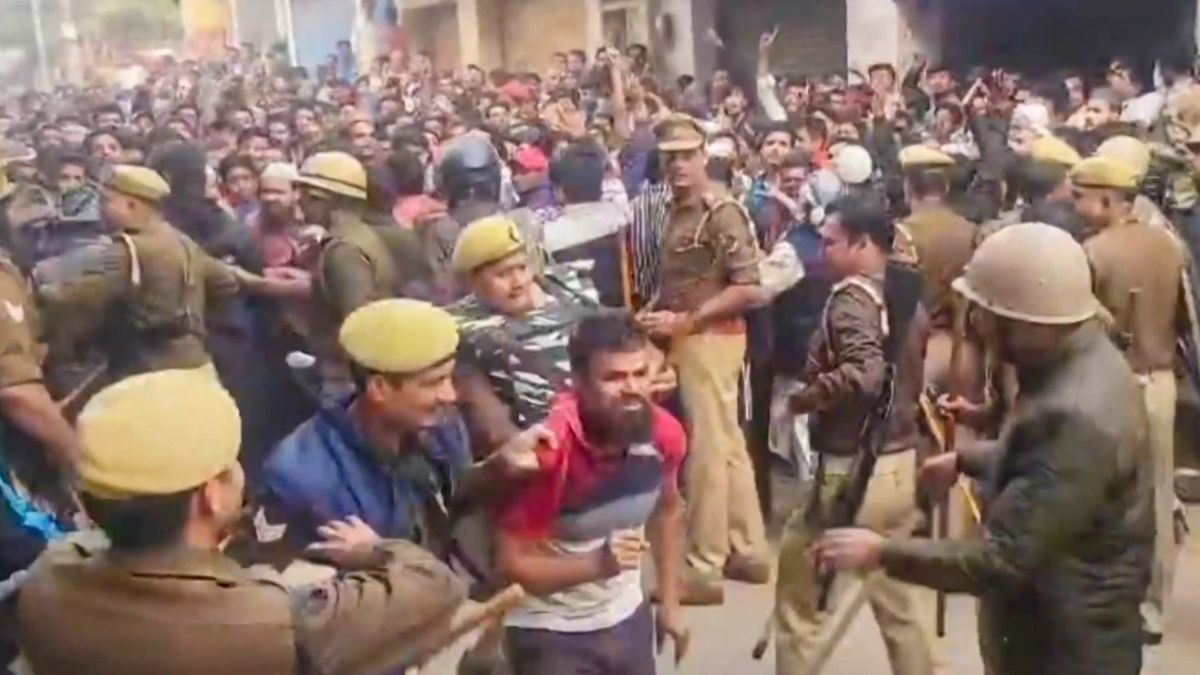
The Uttar Pradesh government has taken significant action in the Sambhal violence case. Mohammad Waris, identified as one of the main accused, has been charged under the National Security Act (NSA). This development comes as the state government prepares to present the Special Investigation Team (SIT) report on the incident during the ongoing monsoon session of the state assembly. Previously, the NSA had already been invoked against two other individuals implicated in the violence. The imposition of the NSA signifies a serious escalation in the legal proceedings against those involved in the Sambhal disturbances. This measure allows for extended detention of individuals deemed a threat to national security. The government's swift action indicates a firm stance against the perpetrators of the violence.
The imposition of the National Security Act (NSA) on Mohammad Waris in the Sambhal violence case underscores a governmental strategy to project decisive action and deter future unrest. By leveraging stringent legal measures, the authorities aim to reinforce public order and signal accountability. This approach, while potentially effective in the short term for maintaining control, raises broader questions about due process and the potential for overreach in the application of such broad-reaching legislation. The timing, coinciding with the presentation of an SIT report, suggests a calculated effort to shape public perception and legislative discourse around the incident. Looking ahead, the long-term impact on community relations and the potential for creating deeper societal divisions warrants careful consideration, particularly in an era where trust in institutions is paramount.
AI-generated to prompt reflection — not editorial opinion, not advice, not a statement of fact. How this works.