UP Party Nominates Priscila Voigt for Governor of Rio Grande do Sul
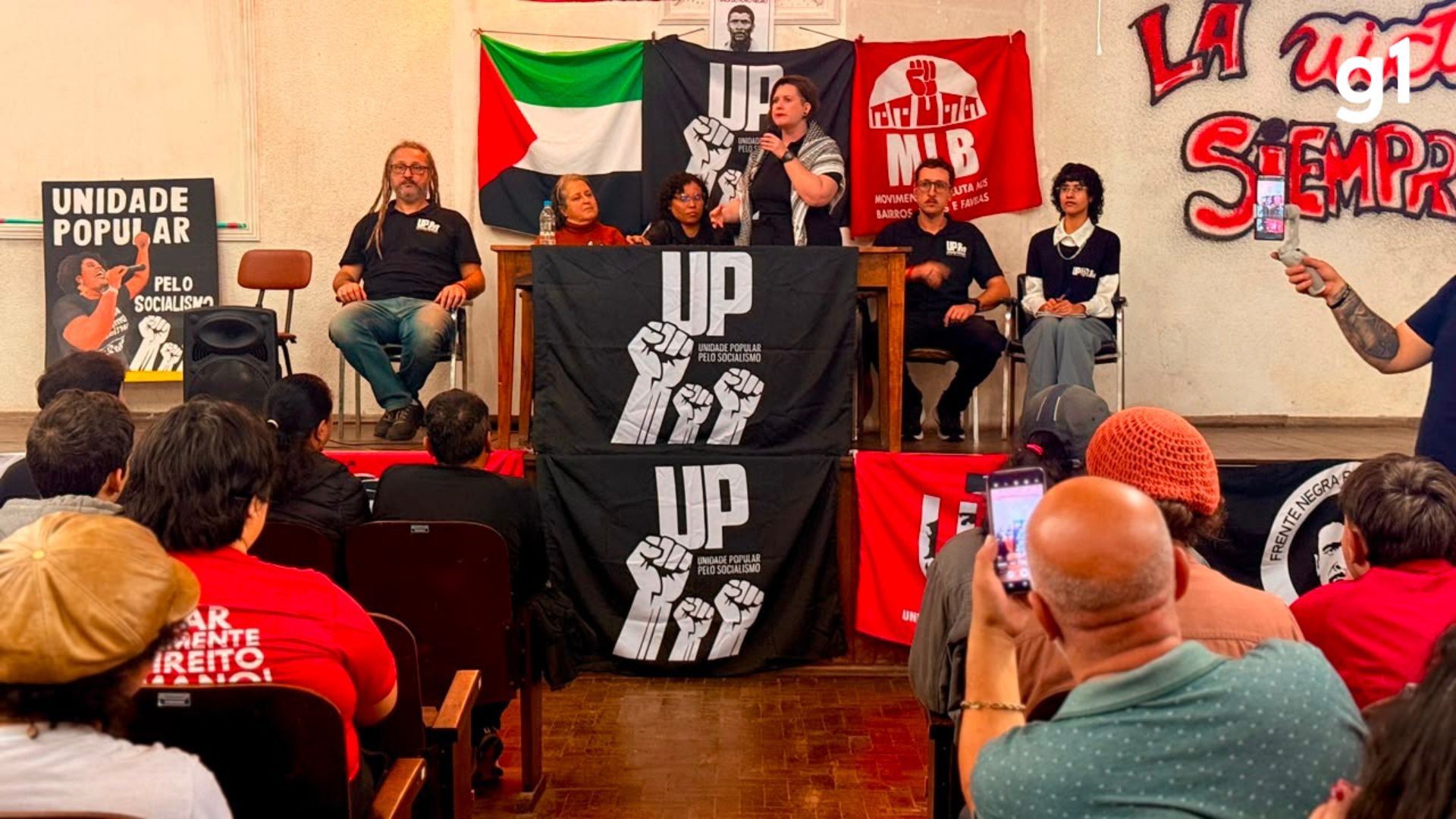
The UP (Unidade Popular) party has officially nominated Priscila Voigt as its candidate for governor of Rio Grande do Sul. The decision was formalized during a convention held on Monday, July 27th, in Porto Alegre. Voigt, a nutritionist and the state president of UP, is a first-time candidate for the Palácio Piratini, with a background in grassroots activism focused on popular struggles, the working class, and housing rights. The convention also approved Naf Nascimento for vice-governor, and Luciano Schafer and Tânia Peres for the Senate. Voigt highlighted key campaign issues, including addressing the impact of climate change on state floods and reversing privatizations, emphasizing the need for better conditions for the working class in the state. The UP will contest the elections with a "chapa pura," meaning they will not form coalitions with other parties. The electoral calendar dictates that conventions must conclude by August 5th, with candidate registrations due to the Superior Electoral Court (TSE) by August 15th, and the official campaign commencing the following day. Brazilians will vote on October 4th for president, governor, two Senate seats per state, federal deputies, and state deputies. Priscila Voigt, born in 1991 in Tijucas, Santa Catarina, has a history of activism since her youth, including involvement with the Movement for Struggle in Neighborhoods, Villages, and Favelas (MLB). She was a coordinator for the Lanceiros Negros Occupation and led the organization of the Mulheres Mirabal Reference House, a decade-old initiative supporting women experiencing violence and promoting popular organization. Her platform advocates for women's rights, housing, public services, national sovereignty, and the construction of a socialist society.
The UP party's nomination of Priscila Voigt for governor of Rio Grande do Sul signals a commitment to a distinct socialist platform, prioritizing issues like climate change impacts, privatization reversals, and working-class welfare. By running a "chapa pura," the party aims to maintain ideological purity and mobilize its base without compromising through coalitions. This strategy, while potentially limiting broader appeal, allows for a clear articulation of its policy agenda. The focus on grassroots activism and specific social movements suggests an attempt to connect with segments of the electorate disillusioned with mainstream politics. As the election cycle progresses, the UP's ability to translate its focused agenda into tangible electoral support will be a key indicator of its influence within the state's political landscape, particularly in contrast to larger, more established parties.
AI-generated to prompt reflection — not editorial opinion, not advice, not a statement of fact. How this works.