Urban Birds Decline in Dhaka Amidst Rapid Urbanization, Study Finds
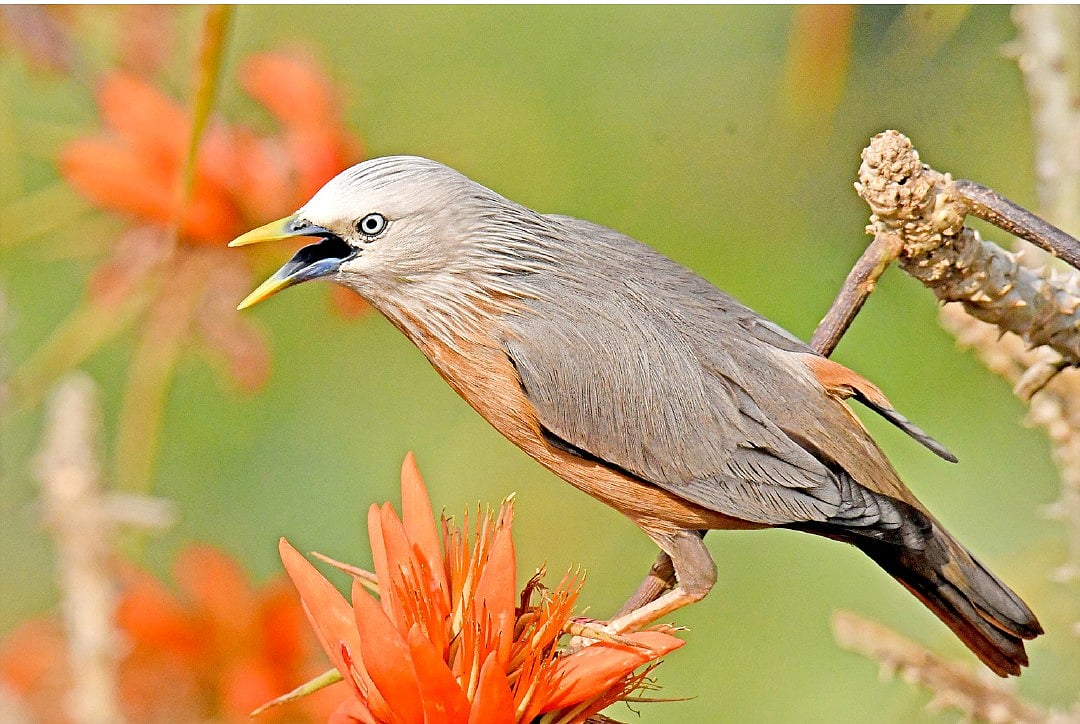
A new study highlights the significant decline of bird populations in Dhaka, Bangladesh, due to rapid urbanization and its environmental consequences. The research, led by Professor Mohammad Firuz Zaman from the University of Dhaka's Zoology Department, analyzed data from five major Bangladeshi cities: Dhaka, Chittagong, Khulna, Rajshahi, and Sylhet. It found that highly urbanized areas host significantly fewer bird species (136) compared to moderately (185) and less urbanized areas (183). This reduction is attributed to the shrinking natural habitats caused by extensive construction, loss of green spaces, and the filling of water bodies. Specifically, the sparrow population in Dhaka has decreased alarmingly, with modern building designs, increased use of glass, and reduced vegetation destroying their habitats. Noise, light, and air pollution further disrupt bird behavior, impacting their communication, reproduction, and rest cycles. The study documented a total of 31,601 birds across 238 species, representing about one-third of Bangladesh's total avian diversity. While the functional diversity of birds—the roles they play in the ecosystem—has not drastically changed, the reduction in evolutionary diversity is concerning. This means fewer distinct bird types are surviving, making the urban ecosystem more vulnerable to collapse. The research, published in the Elsevier journal Global Ecology and Conservation, emphasizes that birds serve as vital indicators of urban environmental health. The loss of birds not only impacts nature but also poses long-term risks to human well-being, as birds play crucial roles in pest control and seed dispersal.
The study reveals a direct correlation between escalating urbanization and diminishing avian biodiversity in Bangladeshi cities. This phenomenon, driven by infrastructure development and population growth, suggests a systemic challenge in balancing urban expansion with ecological preservation. The observed decline in species and evolutionary diversity indicates that urban ecosystems are becoming less resilient, potentially leading to cascading negative effects on natural pest control and other ecological services vital to human populations. Moving forward, urban planning must integrate ecological considerations, such as preserving green spaces, water bodies, and native vegetation, to foster more sustainable coexistence between human development and wildlife. Neglecting these factors risks creating ecologically impoverished urban environments that are less capable of supporting the natural systems upon which human well-being depends.
AI-generated to prompt reflection — not editorial opinion, not advice, not a statement of fact. How this works.