Urban Planning, Not Densification, to Blame for Estación Central Flooding
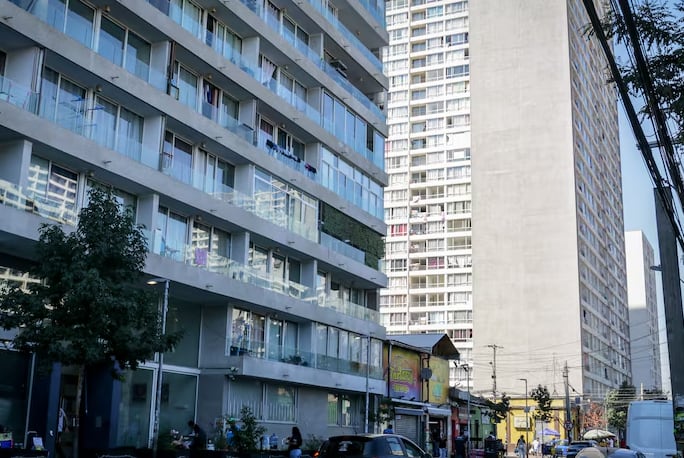
The recent intense rains in Estación Central highlight a critical failure in urban development, not in densification itself, but in the lack of corresponding infrastructure planning. When an area's population grows from hundreds to thousands within decades, essential services like sanitation and stormwater systems must be upgraded to prevent urban strain. This strain manifests as flooding, congestion, and a reduced quality of life, as seen in Estación Central.
The debate should shift from building heights to a territory's capacity to support new residents. Successful global cities demonstrate that vertical growth is viable when paired with timely investments in infrastructure, transportation, public spaces, and amenities. Santiago, in particular, is not a uniform entity; different neighborhoods possess varying capacities to absorb densification. Some areas are equipped for growth, while others rely on outdated networks designed for a different era, leading to predictable failures like those currently impacting Estación Central.
Therefore, the focus should be on reforming urban growth strategies. City expansion must move beyond mere building regulations to include comprehensive assessments of urban infrastructure's carrying capacity and robust financing mechanisms for its adaptation. Constructing buildings is straightforward; building a functional city demands far more responsible and integrated planning.
The flooding in Estación Central serves as a stark illustration of a common urban planning challenge: the mismatch between population density and essential infrastructure capacity. The argument presented suggests that the issue is not urban densification per se, but rather the failure to proactively invest in and upgrade public services, such as sanitation and stormwater management, to meet the demands of a growing population. This points to a systemic governance issue where development regulations may not adequately account for or mandate the necessary infrastructure development and financing. Future urban planning must integrate comprehensive infrastructure assessments and funding models to ensure that population growth, whether vertical or horizontal, is sustainable and does not outpace the city's ability to support its inhabitants, thereby preventing future crises and enhancing urban resilience.
AI-generated to prompt reflection — not editorial opinion, not advice, not a statement of fact. How this works.