Ureter Cancer: Understanding Its Development
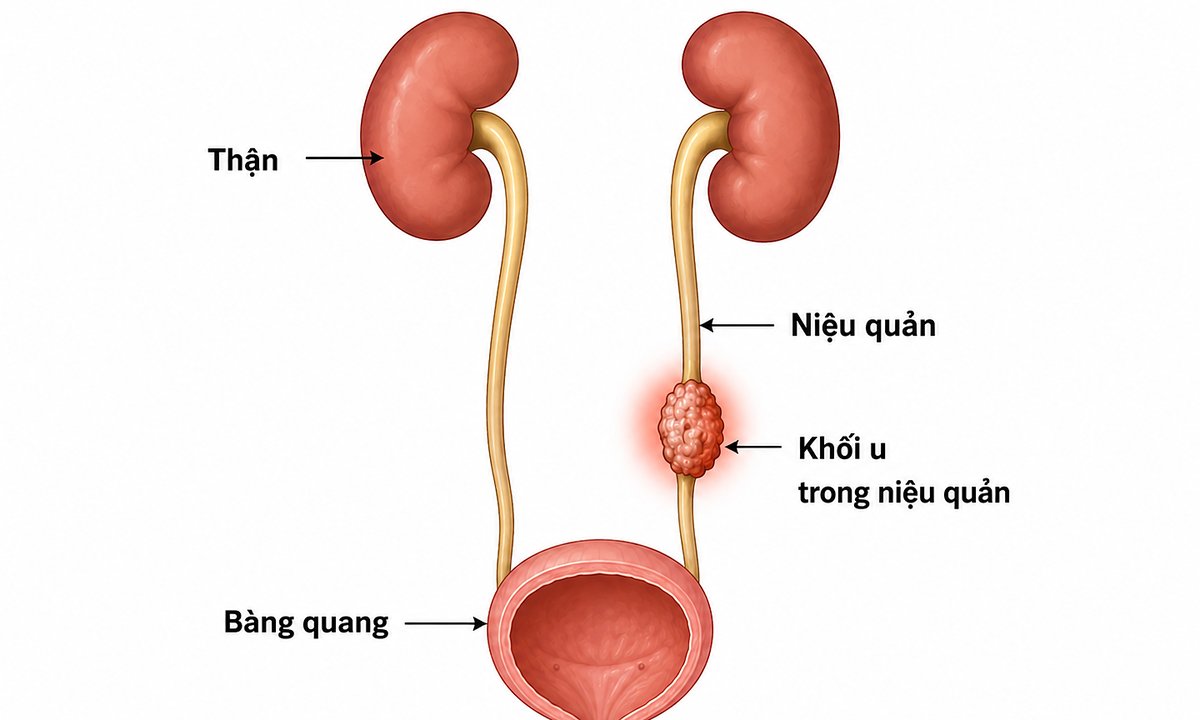
Ureter cancer occurs when the cells lining the inside of the ureter begin to grow abnormally, leading to the formation of a tumor. The ureter is a tube that carries urine from the kidney to the bladder. This type of cancer is relatively rare compared to other urinary tract cancers. The abnormal growth of cells can obstruct the flow of urine, potentially causing kidney damage if left untreated. Early detection and diagnosis are crucial for effective treatment and improved patient outcomes. Medical professionals typically diagnose ureter cancer through imaging tests and biopsies. Treatment options may include surgery, chemotherapy, and radiation therapy, depending on the stage and extent of the cancer.
Ureter cancer arises from the uncontrolled proliferation of epithelial cells within the ureter, a critical component of the urinary system responsible for urine transport. This condition highlights the vulnerability of specialized tissues to malignant transformation. Understanding the cellular mechanisms driving this abnormal growth is key to developing targeted therapies. The rarity of this cancer suggests complex etiological factors that warrant further investigation, potentially involving genetic predispositions or environmental exposures. Future research should focus on early detection biomarkers and minimally invasive treatment modalities to mitigate the impact on renal function and overall patient well-being.
AI-generated to prompt reflection — not editorial opinion, not advice, not a statement of fact. How this works.